
Open weekdays, Sundays & evenings
(661) 425-0559 Request appointment
SC Orthodontics Book online
Smile Gallery First Visit
Call or text, same-day reply(661) 425-0559
Book free consultation
An illustrative portrait of an adult seated in a quiet courtyard.

SC Orthodontics · Jaw joint & muscle care

TMJ & bruxism care in Valencia & Santa Clarita

Jaw pain, teeth grinding or clenching? At SC Orthodontics, start with an evaluation that separates jaw symptoms from tooth-protection needs and guides a conservative next step.

Related questions. Different terms.

TMJ, TMD and bruxism:
different questions.

Pain around the jaw can have several explanations. Your history and an examination help guide the next step; a symptom alone is not a diagnosis.

  1. 01 · Explore

    TMD: joint and muscle symptoms

    TMJ names the jaw joint. TMD describes disorders involving that joint or the muscles that move the jaw.

  2. 02 · Explore

    Bruxism: clenching and grinding

    Bruxism can occur awake or asleep. It may involve tooth wear or muscle symptoms, but it is not the same diagnosis as TMD.

01Start with your experience

Assessing jaw pain,
clenching and grinding.

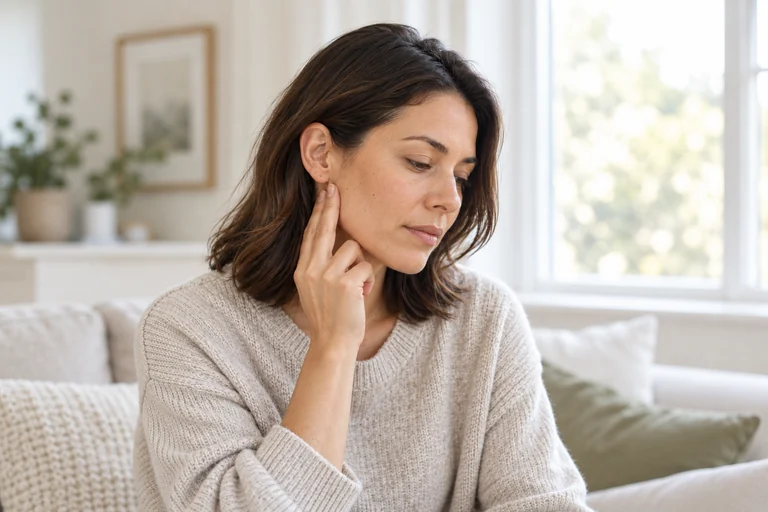
An illustrative scene of a person noticing the area near the jaw joint.

TMJ assessment in Valencia

Dr. Haykani reviews your history, jaw movement, muscles, teeth and wear patterns. Explain when symptoms started, what brings them on and whether opening or chewing has changed.

Findings before a treatment choice

The visit is a chance to separate what is known from what needs further evaluation. Imaging or another provider may be appropriate; not every person needs the same tests.

What should I bring to the visit?

Bring any guard or retainer you use, a medication list and relevant previous dental or medical records. A short note about the timing of symptoms, sleep concerns and what has helped or worsened them can make the discussion more useful.

Will a scan or X-ray give the whole answer?

No single image or test explains every jaw symptom. Your history and examination come first; imaging may be useful when it can answer a specific clinical question. Ask what a proposed test is looking for and whether its result would change the next step. Existing records can help the clinician decide what, if anything, is still needed.

02Conservative care first

Conservative TMD care.
Start with the findings.

Many jaw symptoms improve without complex treatment. The aim is a proportionate plan that supports function, considers tooth protection and avoids unnecessary irreversible changes.

A plan you can discuss

Ask what each option is meant to do, how improvement will be judged and what alternatives remain. There is no single appliance or procedure that suits every jaw concern.

  1. 01

    Everyday habits

    Discuss clenching awareness, aggravating activities and manageable changes to your routine.

  2. 02

    Tooth protection

    Consider a custom guard when there is a reason to protect teeth—not an assumption that it cures pain.

  3. 03

    Coordinated support

    Consider appropriate physical therapy or other evaluation when symptoms and function call for it.

Why does reversible care matter?

A cautious first approach leaves options open while symptoms are reviewed. Treatments that permanently change the teeth, bite or joint should not be presented as routine answers to TMD. Ask about evidence, risks and a second opinion before considering an irreversible step.

If tooth protection is part of the plan, explore custom nightguards.

A closer comparison

Which option is best for your concern?

The best choice depends on the goal: protecting teeth, improving jaw comfort or correcting a separate orthodontic problem. One treatment should not be expected to do all three.

01 · Protecting the teeth

Grinding-related damage

The goal
A custom nightguard is best for tooth protection when grinding-related wear or damage makes a guard appropriate.
The limit
An appliance protecting tooth surfaces is not proof that the cause of pain has been found or that clenching will stop.
02 · Comfort and function

Jaw symptoms

The goal
An evaluation is the best starting point for unexplained jaw pain or movement changes, followed by diagnosis-based care and a review of symptoms and function.
The limit
The same symptom can have different explanations. A treatment that helped someone else may not suit your diagnosis.

03 · Orthodontic care

Tooth alignment or bite

The goal
An orthodontic evaluation is best for a separate tooth-alignment or bite concern. Moving teeth should have a clear orthodontic purpose.
The limit
Braces or aligners should not be sold as a guaranteed way to cure TMD. Ask which orthodontic changes are intended and which jaw symptoms remain uncertain.

If Botox is being considered: its use for TMD is off-label, and the evidence of benefit is mixed. It is not a substitute for discussing simpler options, medical history and risks. See the Botox safety and alternatives discussion below before deciding.

03Review and coordinate

TMJ follow-up:
reviewing your progress.

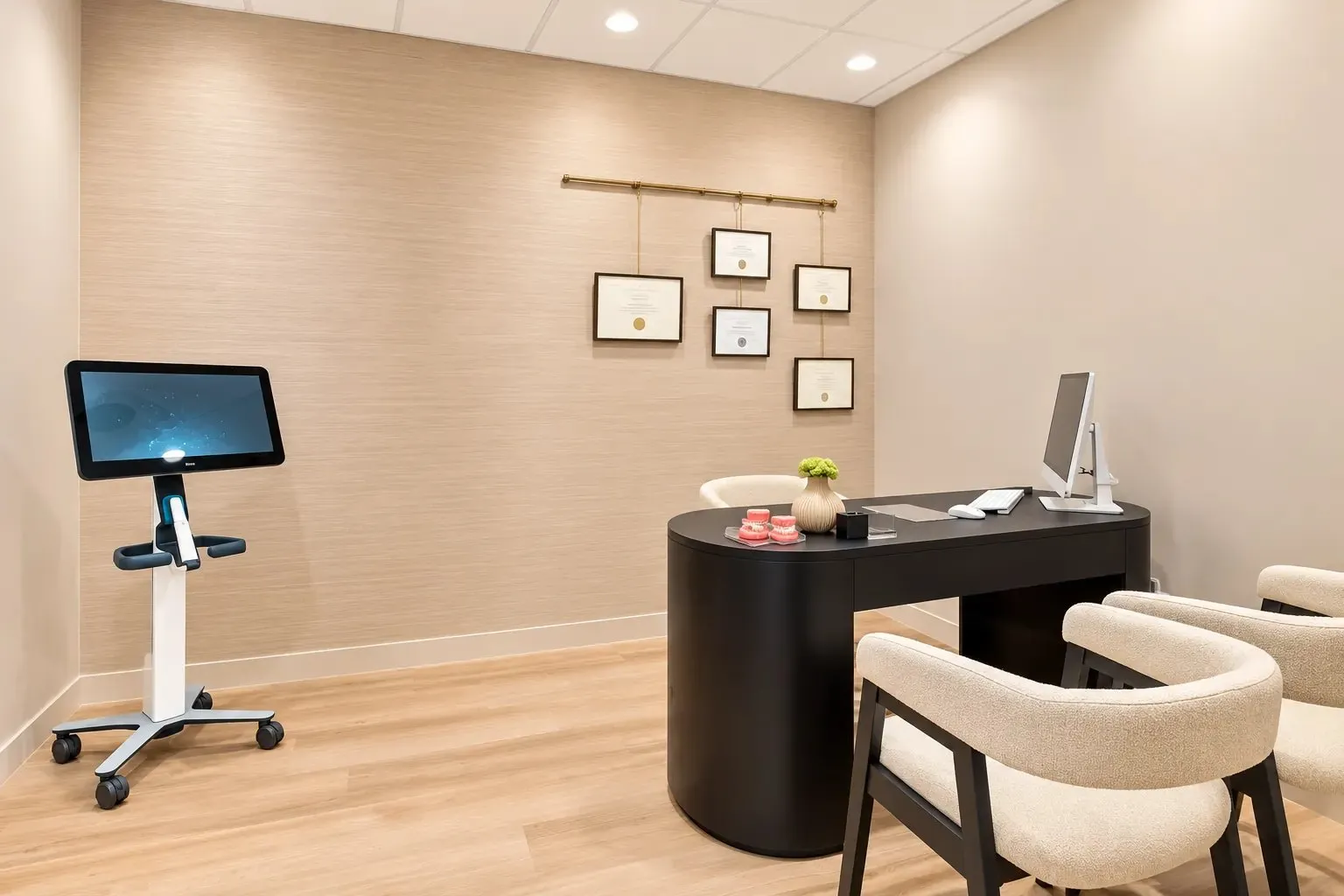
The consultation room at SC Orthodontics in Valencia.

Jaw-care follow-up for Santa Clarita

At our Valencia office, the plan is reviewed against symptoms, function and any appliance wear. Persistent or changing concerns may need a different approach or another clinician’s input.

Clear roles between providers

We coordinate with your dentist or other appropriate providers when needed. Orthodontic care, medical evaluation and specialist pain care have different roles.

What should I report between visits?

Tell the clinician if pain is increasing, opening or chewing becomes more difficult, your bite changes or an appliance causes discomfort. Do not keep using a painful appliance while waiting for a routine review; contact the prescribing clinician for advice.

Related reading: jaw clicking and when to get it checked.

What makes a follow-up useful?

Bring a short record of what changed: chewing comfort, opening, locking, sleep disruption and any difficulty using an appliance. Note what helped and what made symptoms worse without repeatedly provoking pain to test it. Ask which goal is being reviewed, when to check again and what would prompt a referral or a different approach. There is no need to wait for a routine review if symptoms worsen.

Before deciding

TMJ care costs.
Clarify each part of the plan.

TMJ and bruxism care is quoted separately from orthodontic treatment, based on the evaluation. Ask what the proposed fee includes: assessment, any appliance, reviews and any separately recommended care. Another provider may have their own charges.

Our financing information and insurance overview describe orthodontic treatment arrangements. They do not confirm payment options or coverage for TMD care, a guard, an injection or an outside referral. Ask which arrangements apply to the specific service, and verify any benefit before proceeding.

Notes from the practice

Jaw-care guides,
with the limits made clear.

Explore the questions that often sit alongside a TMJ or bruxism assessment. These guides support a conversation with your clinician; they do not diagnose the source of your symptoms.

A little more detail

Questions about
TMJ and bruxism.

Knowing the limits of an option is part of making an informed choice.

What is the difference between TMJ, TMD and bruxism?

TMJ means the temporomandibular joint—the joint on each side of your jaw. TMD refers to disorders of the jaw joints or the muscles that move them. Bruxism means clenching or grinding your teeth, awake or asleep. They can occur together, but they are not interchangeable diagnoses.

Who is a TMJ or bruxism evaluation best for?

An evaluation is best for people with recurring jaw discomfort, painful clicking, changed opening or chewing, tooth wear, or concerns about clenching and grinding. It helps separate tooth-protection needs from pain and movement problems. SC Orthodontics can discuss the findings and whether another provider should be involved; severe or sudden symptoms need prompt advice rather than a routine booking.

How can I tell if I grind my teeth while sleeping?

A sleeping partner may hear grinding, or you may notice morning jaw soreness, tooth sensitivity or worn teeth. These clues do not establish the cause on their own. A dentist can review wear, restorations and symptoms; tell the clinician about sleep concerns and any grinding someone else has noticed.

What can contribute to teeth grinding and clenching?

Bruxism can have several contributing factors, including stress, sleep-related issues, caffeine or alcohol use, smoking and some medicines. It should not automatically be blamed on a misaligned bite. Bring a medication list and explain when symptoms began. Do not stop or change a prescription without speaking to its prescriber.

What can I do about daytime clenching?

Start by noticing when your teeth stay pressed together—for example, while concentrating—and use gentle reminders to relax your jaw and let your teeth rest apart. Discuss stress and other triggers with your clinician. Daytime awareness does not necessarily stop sleep bruxism, so nighttime symptoms may need a separate assessment.

Does a painless click need treatment?

Clicking without pain or difficulty moving the jaw is common and does not, by itself, require treatment. Tell us if pain, locking or a change in opening develops so the full pattern can be assessed.

Are headaches, ear discomfort or tooth pain always caused by TMD?

No. Jaw-muscle problems and bruxism can be associated with these symptoms, but other dental or medical conditions can feel similar. Explain the full pattern rather than assuming every symptom comes from the jaw joint. New tooth pain, persistent ear symptoms or a changing headache may need a different clinician's assessment.

Will a nightguard cure jaw pain?

A guard can protect teeth from grinding-related damage, but evidence that it improves TMD pain is limited. It is not the right answer for every symptom. If an appliance causes pain, stop using it and contact the prescribing clinician.

Can I use a retainer or aligner instead of a nightguard?

Do not assume the appliances are interchangeable. Retainers hold tooth positions, aligners move teeth, and a grinding guard is chosen for tooth protection. Bring your appliances so the dentist and orthodontist can coordinate the plan. Do not stack appliances, force an old guard over braces, or stop prescribed retainer wear on your own.

Can braces or Invisalign fix TMJ pain?

Braces and clear aligners may be appropriate for a separate tooth-alignment or bite problem, but orthodontic treatment is not an established cure for TMD. A recommendation to move teeth should explain the orthodontic goal without promising to eliminate jaw pain. Jaw symptoms may need their own conservative care or specialist assessment.

Should I mention snoring or sleep apnea during a bruxism evaluation?

Yes. Mention loud snoring, witnessed pauses in breathing, gasping during sleep or significant daytime sleepiness. These symptoms deserve medical assessment and may lead to sleep testing. Teeth grinding alone does not diagnose sleep apnea, and a tooth-protection nightguard is not a substitute for prescribed sleep-apnea treatment.

What can I do for mild jaw discomfort while waiting for an appointment?

Choose softer foods for a short time, avoid gum and other activities that aggravate symptoms, and try gentle warmth or cold wrapped in a cloth if comfortable. Do not force the jaw open or repeatedly test a painful movement. Seek advice sooner if symptoms worsen or eating becomes difficult.

Should I try an online jaw-exercise routine first?

Not without checking that it suits the problem being assessed. Clinician-directed exercises or physical therapy are different from a generic resistance workout or cosmetic jaw trainer. Do not force painful movements or replace prescribed care with an online routine; ask for instructions tailored to your symptoms.

How does Botox fit into care?

SC Orthodontics offers therapeutic Botox where appropriate after evaluation. Use for TMD is off-label: it is not FDA-approved for that condition, and research on symptom relief is mixed. Discuss simpler alternatives, uncertainty, medical history and risks before deciding. These drugs carry serious warnings, including possible swallowing or breathing difficulties; seek immediate medical care if those occur after an injection.

When might I need another provider?

Your dentist, a physical therapist, an orofacial pain clinician or an oral surgeon may be involved when the findings or persistent symptoms call for their expertise. Referral is not automatically a recommendation for surgery. The appropriate route depends on the problem being evaluated.

Is jaw surgery orthodontics the same as TMJ joint surgery?

No. Jaw surgery orthodontics coordinates tooth movement with surgery that changes jaw position for a separate skeletal or bite problem. Surgery on the jaw joint addresses different problems and requires specialist assessment. Having TMD does not automatically mean you need either approach; conservative options generally come first.

How long does it take for jaw symptoms to improve?

There is no reliable timeline that applies to everyone. Some jaw problems settle, while others persist or recur. Agree on a review point and the changes you are watching for with your clinician. Worsening pain, locking or difficulty eating should prompt advice rather than waiting for a promised recovery date.

How much does TMJ or bruxism care cost, and will insurance cover it?

The fee depends on the evaluation and proposed care, and is quoted separately from orthodontic treatment. Ask whether assessment, an appliance and follow-up visits are included, and whether another provider bills separately. Coverage and payment arrangements must be checked for the specific service; orthodontic benefits or a free consultation do not establish that all jaw care is covered.

When should I seek urgent help instead of waiting for a routine visit?

Seek prompt medical or dental advice if your jaw locks or you cannot eat or drink. New severe headache or vision changes need urgent medical assessment rather than assuming they are a jaw-joint problem. Trouble breathing or swallowing requires immediate medical attention.

Your next step

Make room for
your questions.

Talk with SC Orthodontics in Valencia, serving Santa Clarita, about jaw symptoms, clenching or tooth wear—and the next evaluation that makes sense for you.

Visit
25385 Wayne Mills Pl
Valencia, CA 91355
Call / text
(661) 425-0559
Book free consultationSundays & evenings available