

Open weekdays, Sundays & evenings
(661) 425-0559 Request appointment
SC Orthodontics Book online
Smile Gallery First Visit
Call or text, same-day reply(661) 425-0559
Book free consultation
An illustrative scene of an adult and support person talking in a calm lounge.

SC Orthodontics · Orthodontics & surgical coordination

Jaw surgery orthodontics in Valencia & Santa Clarita

Jaw surgery orthodontics combines tooth alignment with a surgeon’s correction of jaw position. At SC Orthodontics in Valencia, Dr. Haykani provides orthodontic care and coordinates with your oral and maxillofacial surgeon.

A combined approach, when it is needed

Jaw surgery orthodontics:
how the care fits together.

Orthognathic surgery repositions a jaw or jaws. It may be considered when the jaw relationship limits what orthodontics alone can achieve. Choosing that route requires a joint assessment and a clear understanding of the alternatives.

  1. 01 · Explore

    Orthodontic and surgical options

    Assess tooth and jaw relationships and discuss what each route can change.

  2. 02 · Explore

    Stages of jaw surgery orthodontics

    Orthodontic preparation, surgery, finishing and retention work together.

  3. 03 · Explore

    Preparing for treatment and recovery

    Plan appointments, recovery support and clear instructions between teams.

01Understand the decision

Jaw surgery assessment
in Valencia.

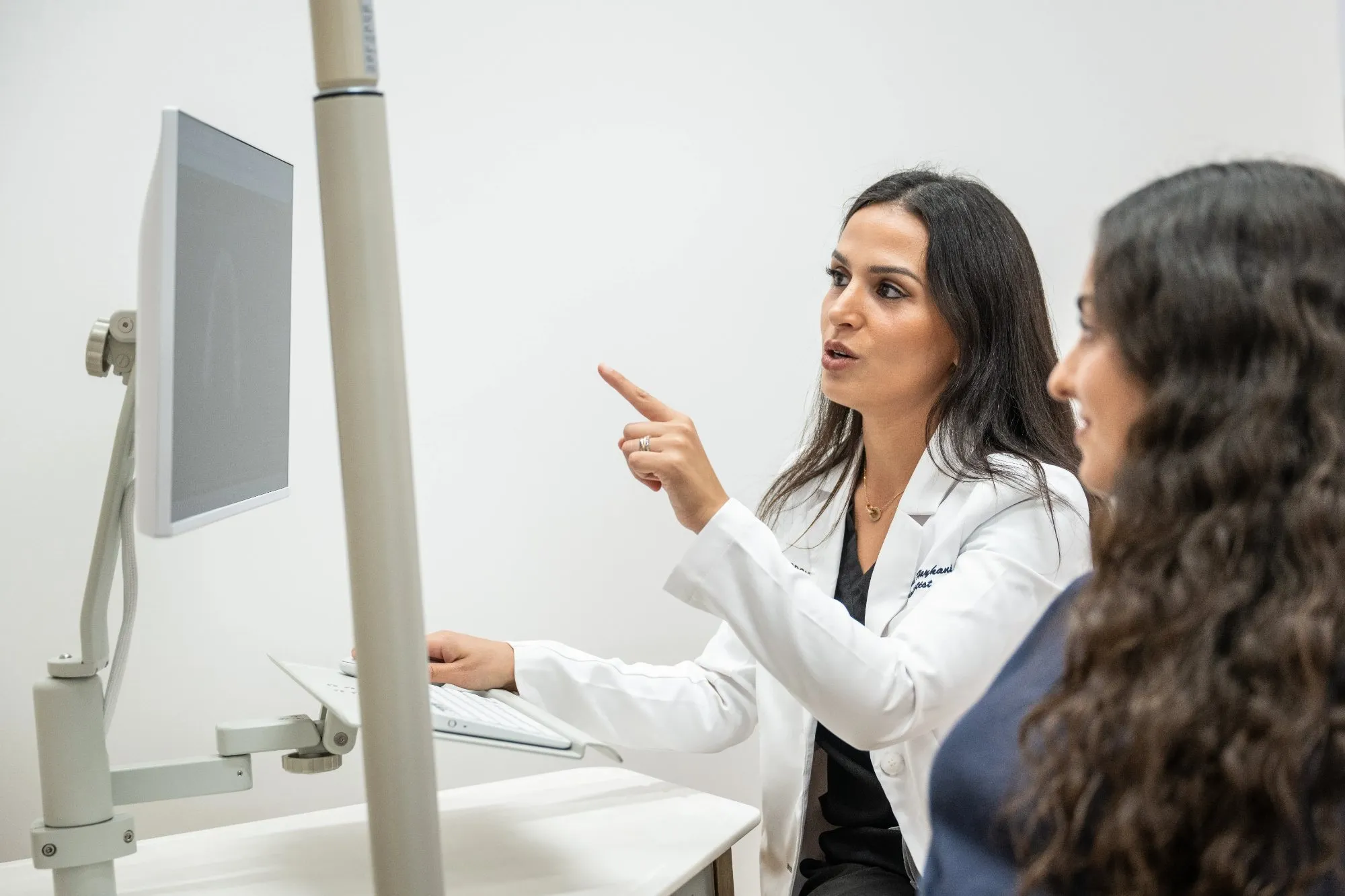
Dr. Haykani discussing records on a monitor with an adult patient.

Who is jaw surgery orthodontics best for?

A combined plan is best suited to people whose jaw relationship prevents orthodontics alone from meeting their bite goals. Dr. Haykani assesses the teeth, jaws and function, including selected skeletal underbites, open bites or asymmetry. Growth, oral health and your priorities shape the decision.

Comparing surgical and nonsurgical plans

Ask what each approach can achieve for your bite and function, what compromises may remain and what the treatment involves. Growth and oral health also affect planning; an underbite or open-bite label alone does not decide the treatment. A second opinion can be part of that decision.

What information goes into the plan?

The team may use an examination, photographs, scans and appropriate X-rays alongside your dental and medical history. The records needed are individual. Surgical decisions are made with an oral and maxillofacial surgeon rather than from a single photograph or tooth scan.

02The treatment journey

Before and after jaw surgery:
the orthodontic stages.

Dr. Haykani manages the orthodontic stages and coordinates with your surgeon. Each stage has a purpose, and readiness for the next step is assessed rather than assumed from a calendar.

  1. 01

    Presurgical tooth preparation

    Orthodontics positions the teeth for the intended jaw relationship, according to the joint plan.

  2. 02

    Surgery and early recovery

    Your surgeon performs the operation and directs the surgical recovery and restrictions.

  3. 03

    Postsurgical orthodontic finishing

    Orthodontic adjustments continue when the team considers it appropriate, to refine how the teeth meet.

  4. 04

    Retainers and follow-up

    Retainers and follow-up help maintain tooth alignment after active orthodontic treatment. Discuss the retainer plan before the braces come off; surgical correction does not remove the need to maintain tooth positions.

Will everyone follow the same schedule?

No. The sequence and timing depend on the bite, the planned operation, tooth movement and healing. Ask how your own plan is organized, which appointments are with each provider and what could change the estimate. Do not schedule a return to demanding activity without your surgical team’s guidance.

03Plan the practical details

Preparing for jaw surgery
and recovery.

An appointment card being placed into a wallet beside a bag.

Orthodontic and surgical appointments

Your orthodontic visits take place at our Valencia office. Surgical appointments, the operation and recovery reviews are arranged with your surgeon and their team.

Planning recovery and support at home

Discuss time away from work or study, help at home, eating, oral hygiene, discomfort and activity restrictions before committing. Ask for written instructions and a clear contact plan for both offices. Your surgeon should tell you how to prepare for the procedure and when to resume usual activities; a generic online timetable is not a substitute.

What should I ask the surgeon before surgery?

Ask about the intended movement, benefits and limitations, individual risks, anesthesia, expected hospital care and recovery support. Know whom to contact with concerns, which symptoms need urgent help, and how braces, elastics and oral cleaning should be managed afterward.

Related reading: jaw surgery or braces—understanding the choice.

Two approaches, different capabilities

Jaw surgery or braces?
Compare the goals.

For patients comparing surgical orthodontics in Valencia and Santa Clarita, the key question is not which treatment sounds more advanced. It is whether each realistic option can address the tooth and jaw findings that matter in your case.

Change tooth positions

Orthodontics without jaw surgery

Orthodontics without surgery is the best fit when tooth movement can meet the agreed bite goals without repositioning the jawbones. In a mature jaw, braces do not change the jawbones’ position. Ask which tooth contacts could improve and which jaw difference would remain; a similar-looking smile does not mean two plans have the same goals.

Ask at your visitWhat would this approach change—and what would it leave unchanged?

Coordinate teeth and jaw positions

Orthodontics with jaw surgery

When the jaw relationship limits the correction, a joint plan may combine tooth movement with surgical repositioning. The goal is to improve the bite within an agreed plan, not to promise a particular face or a symptom cure. The additional commitment includes surgical risks, recovery and care across teams.

Ask at your visitWhat extra benefit is expected, and what additional risks and recovery does it involve?

Why might my bite seem less settled during preparation?

Before surgery, teeth may be moved out of positions that had partly compensated for the jaw difference. They are being prepared to fit the planned jaw relationship, so the bite can feel or look different during this stage. Ask the team to explain the expected changes before starting, and report new problems rather than assuming every change is part of the plan.

Separate parts of the quote

Jaw surgery orthodontics:
fees and separate costs.

SC Orthodontics explains the orthodontic portion. Request separate estimates for the surgeon, facility and anesthesia, and ask each provider which services their quote includes. Our orthodontic fee guide, payment options and insurance information do not replace those separate estimates. Confirm which benefits may apply and whether any authorization is needed before scheduling; a surgical recommendation does not guarantee coverage.

A little more detail

Jaw surgery
orthodontics FAQs.

Answers about suitability, braces, recovery and costs—so you can discuss the next step with both teams.

What is jaw surgery orthodontics?

Jaw surgery orthodontics, also called surgical orthodontics, combines orthodontic tooth movement with corrective jaw surgery. Braces prepare and refine how the teeth meet; an oral and maxillofacial surgeon changes the position of the upper jaw, lower jaw or both. The two parts are planned together rather than treated as separate fixes.

Who is jaw surgery orthodontics best for?

A combined orthodontic–surgical plan is best suited to people whose jaw relationship prevents tooth movement alone from meeting their bite goals. This may include selected skeletal underbites, open bites or asymmetry after growth is complete. The decision depends on the examination, function, health and treatment priorities—not a bite label or a photograph alone.

Can braces alone address my bite?

Sometimes. Orthodontics moves teeth; surgery can change the relationship of the jaws. The assessment should explain what a nonsurgical plan can achieve, what it cannot change and how that compares with a combined approach. Surgery is not recommended simply because teeth look crowded.

Does Dr. Haykani perform jaw surgery?

No. Dr. Haykani provides the orthodontic portion of a combined plan and coordinates with your oral and maxillofacial surgeon. The surgeon performs the operation, explains surgical risks and directs recovery. Orthodontic visits are at our Valencia office; the surgeon’s team arranges the surgical care and confirms where it will take place.

What is the difference between upper, lower and double jaw surgery?

Upper-jaw surgery changes the position of the maxilla; lower-jaw surgery changes the position of the mandible. Double jaw surgery repositions both jaws in one operation. Your surgeon explains which approach fits the diagnosis and why. Chin surgery, or genioplasty, changes the chin and is not the same as correcting how the upper and lower teeth meet.

Is jaw surgery planned at a particular age?

For growth-related jaw differences, corrective surgery is generally planned after jaw growth is complete. Readiness is not determined by a birthday alone. Your growth pattern, examination findings and the proposed procedure matter; ask how the team will assess timing in your case.

Should I see the surgeon before starting a surgical orthodontic plan?

When surgery is being considered, the orthodontist and surgeon should coordinate the intended approach before treatment is set in motion. Surgical and nonsurgical plans may prepare the teeth differently. A surgical consultation helps you understand the choices; it is not, by itself, a commitment to have an operation.

What should I bring to a surgical orthodontic consultation?

Bring your main bite concerns, medical and dental history, medication list and any recent records or surgical recommendations you already have. Tell us if you are currently wearing braces or aligners. Dr. Haykani can assess the orthodontic questions and explain what additional records or surgeon input are needed before a combined plan is chosen.

Why are braces used before and after jaw surgery?

Before surgery, orthodontics prepares each arch so the teeth can fit together in the planned jaw position. That preparation may temporarily make the existing bite look or feel less aligned. After surgery, orthodontic finishing refines tooth contacts as healing allows. The braces are not simply waiting for surgery; each stage has a different job.

Can I avoid braces or use clear aligners with jaw surgery?

Do not assume a surgical plan can be completed without orthodontics, or that an appliance you prefer will suit every stage. Ask Dr. Haykani and your surgeon which appliance and treatment sequence your plan requires. If clear aligners are important to you, discuss that before starting; suitability for routine aligner treatment does not establish suitability for a combined surgical plan.

How long does the full jaw surgery orthodontic process take?

The full process includes orthodontic preparation, the operation, healing and orthodontic finishing, followed by retention. It is a longer commitment than the operation or initial recovery alone. Ask for one coordinated estimate with the main milestones, who confirms readiness for surgery and what could extend the plan. Tooth movement and healing vary, so a single timetable does not fit everyone.

How long is jaw surgery recovery, and when can I return to work or school?

Plan for recovery in stages, not a single day when everything is back to normal. Returning to desk work or school, eating normally and resuming strenuous exercise may happen at different times. Your surgeon should set the schedule for your procedure and recovery. Arrange help at home and allow flexibility for fatigue, swelling, follow-up visits and the demands of your work or studies.

Does jaw surgery hurt?

Pain, swelling and stiffness can occur after jaw surgery, and the experience varies. Your surgical team will explain the pain-control plan and what symptoms to expect. Ask whom to contact if discomfort is increasing or is not controlled as expected. Orthodontic soreness from adjustments is a separate issue and should also be discussed with the appropriate team.

What risks should I discuss?

Ask about bleeding, infection, altered sensation or numbness that can sometimes persist, bite changes or relapse, and the possible need for further treatment. Anesthesia has its own risks. Your surgeon should explain which risks matter for the specific operation and your health history.

Will my jaws be wired together?

Plates, screws and guiding elastics are commonly used, but the way the jaws are supported depends on the procedure. Do not assume that you will have unrestricted opening or no fixation. Your surgeon will explain what to expect and how to manage any elastics or supports safely.

What can I eat after jaw surgery?

Your surgeon will give you a staged eating plan that may start with liquids or very soft foods and restrict chewing while the jaws heal. Ask how to get enough fluids and nutrition, which textures are allowed and when the plan can change. Feeling able to chew does not mean you are cleared to do so; follow your surgical team’s instructions.

How do I clean my teeth and braces during recovery?

Keeping teeth, gums and appliances clean remains important, but early surgical recovery can limit mouth opening and change your usual routine. Before surgery, ask the team to demonstrate the brushing and cleaning approach they want you to use. Follow their instructions about rinses and appliance care rather than choosing a generic online routine or changing elastics yourself.

Will jaw surgery change my face?

Repositioning the jaws can change the facial profile and the way the lips and chin are supported. Ask the surgeon which changes are expected from the planned movements and which concerns would not be addressed. A planning image is not a promise of an exact appearance, and early swelling is not the final result. The bite goals and your expectations should be discussed together.

How much does jaw surgery orthodontics cost?

There is no single combined price that applies to every plan. SC Orthodontics explains the orthodontic fee; request separate estimates for the surgeon, facility and anesthesia. Ask what is included in records, appliances, visits, retention and any additional treatment. Compare the complete plan and the responsibilities of each provider, not just an advertised braces fee.

Will insurance cover jaw surgery and orthodontics?

Coverage for orthodontics and coverage for surgery must be checked separately with the relevant plans and providers. Ask about eligibility, exclusions, network requirements, prior authorization and your expected share of each bill. A recommendation for surgery does not guarantee payment. Our orthodontic insurance and payment information does not replace the surgeon’s, facility’s or insurer’s written estimates.

Is corrective jaw surgery the same as TMJ surgery?

No. Corrective jaw surgery changes jaw position; TMJ surgery addresses a problem in the jaw joint. They are different decisions even when a person has both bite and joint concerns. Jaw pain, clenching or clicking does not by itself establish a need for either operation. TMD care often starts conservatively, and bite correction should not be presented as a guaranteed cure for joint or muscle pain.

Can jaw surgery be part of sleep-apnea care?

Jaw advancement may be considered for selected patients with diagnosed obstructive sleep apnea. That is a medical and surgical decision made with the appropriate clinicians, not an automatic benefit of bite correction. Orthodontic records alone do not diagnose sleep apnea.

Will I still need retainers after jaw surgery?

Yes. Surgery changes jaw position, but the teeth can still move after active orthodontic treatment. Retainers help maintain tooth alignment and do not replace surgical follow-up. Ask which retainers are recommended, how to wear and care for them, and whom to contact if one is lost, damaged or no longer fits.

How do I start with SC Orthodontics in Valencia?

Book a free orthodontic consultation to discuss your bite, goals and treatment history with SC Orthodontics. Dr. Haykani can explain the orthodontic findings and whether coordinated assessment with an oral and maxillofacial surgeon makes sense. The consultation is an opportunity to compare options and ask questions, not a commitment to surgery; a separate surgical consultation may have its own fee.

Your next step

Discuss your jaw surgery
orthodontic options.

Talk with SC Orthodontics in Valencia, serving Santa Clarita, about your bite and whether a coordinated orthodontic and surgical assessment makes sense.

Visit
25385 Wayne Mills Pl
Valencia, CA 91355
Call / text
(661) 425-0559
Book free consultationSundays & evenings available