Open weekdays, Sundays & evenings
(661) 425-0559 Request appointment
SC Orthodontics Book online
Smile Gallery First Visit
Call or text, same-day reply(661) 425-0559
Book free consultation
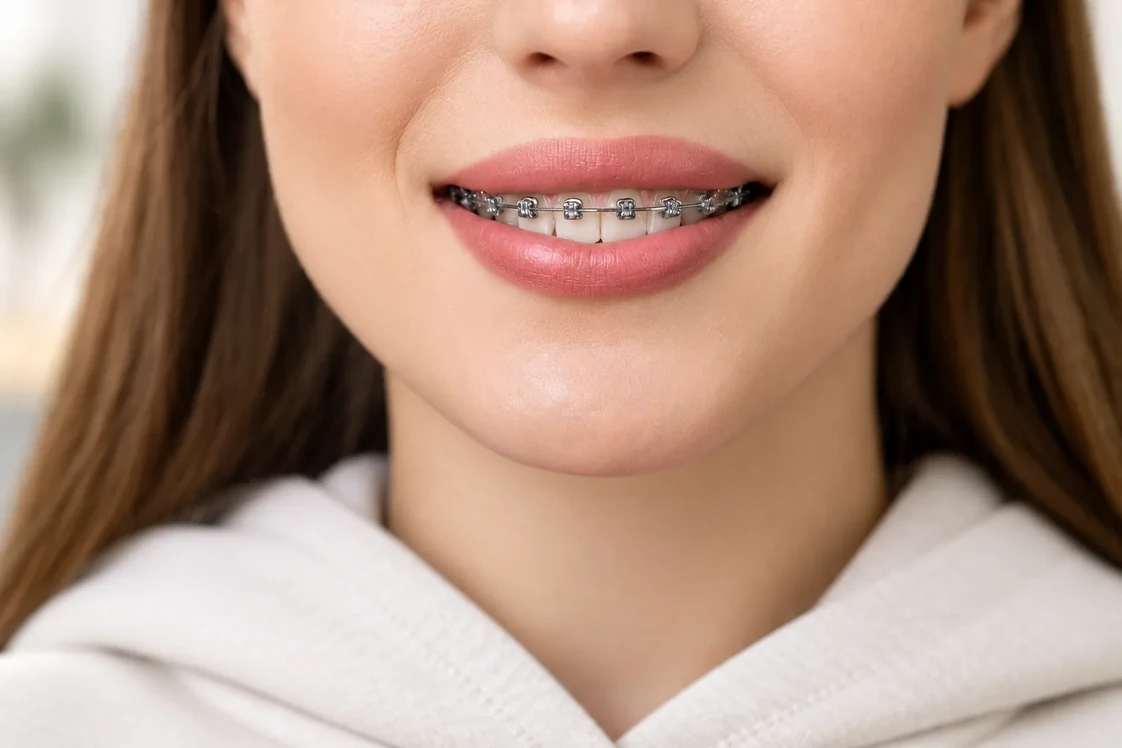
An illustrative portrait of an adult smiling with fixed metal braces.

SC Orthodontics · Self-ligating braces

Damon braces in Valencia & Santa Clarita

Braces with a built-in slide instead of tiny ties around each bracket. Discover the Damon difference with Dr. Haykani.

The difference, explained

The difference is
built into the bracket.

With Damon, the wire is held by a slide built into the bracket. That means no separate elastic ring is needed to hold it in place—a distinctive approach within fixed-braces treatment.

  1. 01 · Explore

    Understand the bracket

    A built-in slide holds the wire. Learn what self-ligating actually means.

  2. 02 · Explore

    Look at the whole plan

    Your teeth, bite and preferences guide the recommendation.

  3. 03 · Explore

    Know your part

    Visits, cleaning and prescribed elastics still belong in the routine.

01The mechanism

Damon vs conventional:
slide, not tie.

A close view of fixed metal brackets and an archwire.

Most conventional braces use a small elastic ring or metal tie to retain the archwire. Damon brackets close around it with a built-in passive slide. The holding mechanism is part of the bracket itself.

What changes at a wire change?

Your orthodontic team opens the slide to access the wire, then closes it again. There is no individual ligature to remove and replace at each bracket. Your teeth still move under a clinician-directed plan, with regular checks and adjustments.

Two kinds of “rubber bands”

Ligature ties hold the archwire in a bracket. Bite-correcting elastics add force between selected teeth and have a different purpose. Even without the small ligature ties, your Damon plan may still include prescribed elastics. Our guide to rubber bands for braces explains the difference.

Two ways to retain the wire

Same task. Different mechanism.

Conventional tied brackets

A separate tie

Wire retention
An elastic ring or thin metal tie holds the archwire in the bracket.
Wire access
The team removes and replaces the tie when changing the wire.
Everyday detail
Elastic ties may offer color choices; they are a separate component around the bracket.

Damon passive self-ligating

A built-in slide

Wire retention
A slide forms the front wall of the bracket slot, without a separate ligature tie.
Wire access
The team opens and closes the bracket’s slide to change the wire.
Everyday detail
No elastic ring is needed around each bracket to hold the wire. Bite elastics may still be prescribed.

Conceptual wire-retention diagrams; not model-specific or to scale.

The advantage—and its limits

Damon integrates wire retention into the bracket, rather than relying on a separate tie. “Passive” describes that slide; it is not an active spring clip pressing on the wire. This is a mechanical distinction, not a guarantee of faster treatment, fewer visits or less discomfort. Both approaches still need careful planning, good cleaning and follow-through.

02A plan for your bite

Damon treatment,
planned in Valencia.

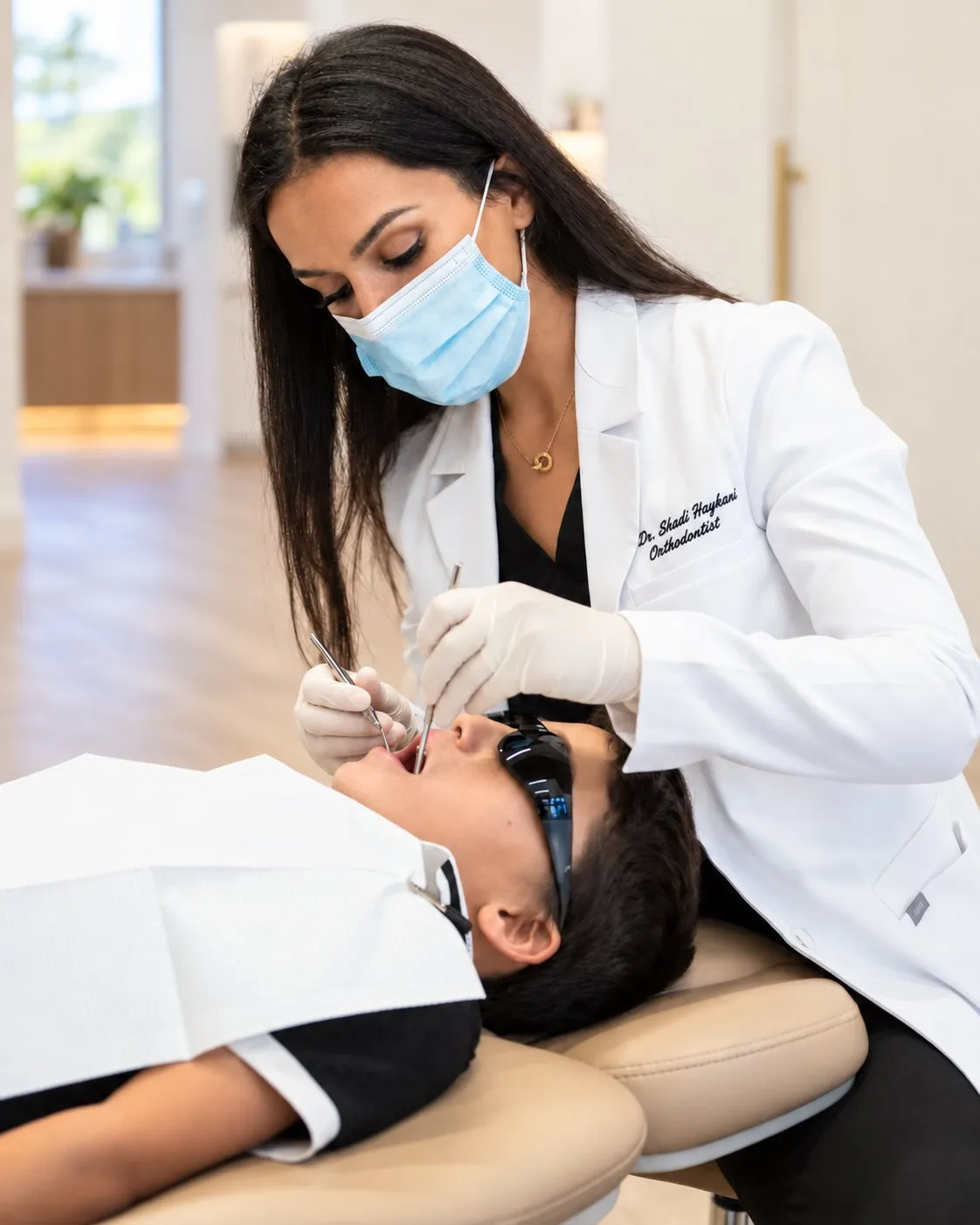
Dr. Haykani examining a patient at SC Orthodontics.

Damon braces are best for patients who want fixed, self-ligating treatment without separate ties around each bracket. Dr. Haykani reviews your bite, crowding or spaces, tooth positions and gum health to decide whether this approach fits your needs.

Your Santa Clarita consultation

At our Valencia office, bring your dental history, concerns and day-to-day priorities. We discuss your treatment options, an individual time estimate and the responsibilities that come with fixed braces. Read what happens at a first consultation before your visit.

Compare more than a brand name

Depending on your case, conventional metal braces, ceramic braces or clear aligners may also be worth considering. Damon stays attached to your teeth, so there are no trays to remove for meals or remember to put back. The tradeoff is cleaning around brackets and avoiding foods that can damage them. Bracket choice alone cannot determine whether you need extractions or additional appliances. Read our braces-versus-aligners guide to compare the routines.

  1. 01

    Assess and compare

    Discuss your goals and examine your teeth and bite. Any records needed for planning help us compare suitable approaches and explain the proposed fee.

  2. 02

    Fit and explain

    Fit the brackets and archwire, then demonstrate brushing, cleaning around the wire and any prescribed elastics. You leave knowing what to do if something rubs or loosens.

  3. 03

    Review your progress

    Review tooth movement and bite changes; adjust or change wires as needed. When active treatment finishes, follow a retainer plan to help maintain the result.

03Between visits

Your routine
still matters.

An appointment card being placed in a wallet before a visit.

Keep visits on the calendar

Your review schedule is individual. At visits we check your bite, movement and appliance—not just the slides. Keep appointments and wear prescribed elastics as directed. Our wire changes and adjustments guide explains what those visits involve.

Clean carefully, eat thoughtfully

Brush with fluoride toothpaste and clean between teeth and beneath the wire. Keep your dental checkups, and avoid hard or sticky foods that could damage braces.

Does “tie-less” mean less cleaning?

No. Plaque can still collect around brackets and along the gumline. Removing the need for small ligature ties does not remove the need for daily cleaning. Ask us to demonstrate a technique that reaches around your appliance.

Practical reading: brushing with braces and brace-friendly foods.

04Beyond active treatment

The braces finish.
Your care continues.

Keep your result with retainers

Teeth can shift after treatment. Follow your individual retainer instructions and contact us if a retainer breaks, is lost or no longer fits.

Explore retainers

Before you decide

Damon braces costs,
without the guesswork.

Damon braces are quoted by case at your consultation. The metal-braces price ranges on our fees page are not a Damon quote. Your written fee includes visits, adjustments, necessary X-rays and digital scans, emergency care and initial retainers. See our fees overview, 0% financing and insurance guidance.

A little more detail

Questions about
Damon braces.

Understand the appliance, then bring the questions that are personal to you.

How are Damon braces different from regular braces?

Both use brackets and an archwire. With many conventional braces, elastic or metal ties hold the wire in place. Damon uses a built-in passive slide, so wire changes use the bracket’s opening mechanism rather than individual ligature replacement. Both remain fixed appliances that require professional adjustments and daily care.

Will I still need rubber bands?

Possibly. The small ties that hold a wire in a bracket are different from elastics prescribed to help with your bite. Self-ligating brackets do not rule out those elastics or other appliances. Wear only the type and arrangement we prescribe.

Does self-ligating mean faster treatment or fewer visits?

Not automatically. The time and visit schedule depend on the tooth movements, bite, appliance plan and how treatment progresses. We discuss a realistic estimate for you rather than a fixed timeline based on the bracket brand.

Can I have clear Damon brackets?

The Damon system includes metal and clear bracket options. We can explain which option is appropriate for the teeth being treated, and what other parts of the braces will still show. Your bite and treatment needs guide the choice.

Are Damon braces suitable for adults?

Adults and teens can be considered for Damon braces. Suitability depends on your teeth, bite, gum health and treatment goals—not age alone. If you have crowns, implants or a history of gum problems, tell us during your consultation so those factors can be included in planning.

Does choosing Damon mean I can avoid extractions?

No bracket system makes that decision for you. Space, tooth positions, your bite and supporting tissues guide the plan. Some cases need extractions or other appliances; others do not. We explain the recommendation and alternatives for your own situation before treatment.

Are Damon braces less painful than regular braces?

Damon braces are not a promise of less discomfort. Tender teeth or irritation can happen after fitting and some adjustments with either type of braces. Softer foods may help initially. Contact us if discomfort is severe, persists or gets worse rather than assuming it is part of the process.

What if a slide, bracket or wire feels loose?

Call or text the office and describe what happened. Do not try to open or close the bracket yourself or pull on the wire. Orthodontic wax may temporarily help a rubbing spot while you wait for advice; a damaged appliance may need a repair.

Who are Damon braces best for?

Damon braces are best for patients who want fixed, self-ligating braces without separate wire-holding ties. They stay on your teeth, so there are no trays to remove or remember to wear. Dr. Haykani checks whether that option suits your bite, tooth positions and gum health. Daily cleaning, visits and any prescribed elastics still matter.

What problems can Damon braces treat?

Damon can be used in treatment plans for crowded teeth, gaps and bite problems. The important question is which tooth movements your case needs and whether jaw position or growth also needs attention. Dr. Haykani explains what braces can address and whether your plan needs elastics, other appliances or a different approach.

Are Damon braces or clear aligners best for my routine?

When both options suit your bite, Damon is best for a fixed routine with no trays to remove or put back. Clear aligners are best for patients who prioritize removable treatment and can follow the prescribed wear schedule. With Damon, you clean around brackets and protect them from hard or sticky foods; with aligners, you remove the trays for meals and cleaning.

How are Damon braces different from ceramic braces?

Damon describes a bracket system and how it holds the wire. Ceramic describes the bracket material and appearance. These categories can overlap: Damon Clear is a ceramic, self-ligating option. Other ceramic braces may use separate ties. Compare both the bracket’s appearance and its wire-holding mechanism rather than assuming all clear braces work the same way.

Are all self-ligating braces Damon braces?

No. Self-ligating is a category of brackets with a built-in mechanism that holds the archwire. Damon is one brand within that category and uses passive self-ligation. Other systems use different designs, including active clips. The label alone does not tell you which appliance or treatment plan is right for your bite.

Can Damon braces widen my palate or replace an expander?

Changing the width of a dental arch by moving teeth is different from widening the upper jaw with an expander. Damon brackets do not automatically replace an expander or remove the need for one. Dr. Haykani assesses jaw width, tooth positions, growth and the supporting tissues before recommending how to create space.

Are Damon braces more expensive than regular braces?

At SC Orthodontics, Damon braces are quoted by case. The metal-braces ranges on our fees page are not a Damon price quote. Your consultation gives you the fee for the recommended plan and an explanation of what it includes, so you can compare suitable options on the same basis.

Does insurance cover Damon braces?

Coverage depends on your policy’s orthodontic benefits, eligibility and any appliance restrictions. Our team checks the proposed treatment against your plan and shows an insurance estimate alongside your written fee. A lifetime orthodontic maximum is a limit, not a guaranteed payment. Ask us to verify the Damon plan before you decide.

Can I pay for Damon braces monthly?

SC Orthodontics offers monthly payment plans at 0%. Your monthly payment depends on your quoted Damon treatment fee, down payment and repayment schedule. We explain those numbers before you decide. A monthly example for metal braces or Invisalign should not be treated as a quote for your Damon plan.

What happens at a Damon braces consultation?

Your free consultation includes an examination and X-rays or digital scans as needed. Dr. Haykani reviews your teeth, bite and goals, compares suitable treatment options and explains the expected timing. You receive a written treatment fee and an insurance estimate when applicable. Bring your dental history and the questions that matter to you.

How should I brush and floss around Damon braces?

Brush with fluoride toothpaste, including around each bracket and along the gumline. Clean between your teeth and beneath the archwire each day with tools suited to your braces. Ask us to demonstrate the technique rather than trying to open the slides. Keep your regular dental checkups; self-ligating brackets still need careful cleaning.

What foods should I avoid with Damon braces?

Avoid hard, sticky or chewy foods that could damage brackets or wires. Cut firm foods into manageable pieces instead of biting into them with your front teeth, and choose softer meals when your teeth feel tender. The slide mechanism does not make Damon braces damage-proof. Follow the food guidance provided with your treatment plan.

Can I play sports with Damon braces?

Yes, but protect your teeth and braces with a suitable sports mouthguard. Tell us which sport you play so we can advise on a guard that fits over your appliance. Have the fit checked as your teeth move, and contact us after an injury or if a bracket or wire is damaged.

Will I need retainers after Damon braces?

Yes. Damon braces move teeth; retainers help maintain their positions after active treatment. Follow the wear schedule we prescribe and contact us if a retainer is lost, broken or no longer fits. At SC Orthodontics, your initial retainers are included in your treatment fee; later replacements are quoted separately.

Can Damon braces use power chains?

Yes, a treatment plan can include a power chain to help close spaces. That connected elastic chain has a different job from an individual tie used only to hold the wire in a bracket. Self-ligating does not mean no elastics of any kind. Your orthodontist decides whether a chain is needed and places it for you.

What if I have a metal or latex allergy?

Tell us about any diagnosed allergy or past reaction before treatment. Clear brackets do not mean every part of an appliance is metal-free, and elastics may have different materials. We need to check the specific brackets, wires and any elastics proposed for you before confirming a suitable plan.

Your next step

Let’s talk about
your options.

Explore Damon and other orthodontic options with Dr. Haykani at SC Orthodontics in Valencia, serving Santa Clarita.

Visit
25385 Wayne Mills Pl
Valencia, CA 91355
Call / text
(661) 425-0559
Book free consultationSundays & evenings available