
Resources / Patient care
Small habits. Better finish.
Most of treatment happens between visits. This is how to make those weeks count.
Use this guide for everyday braces, aligner and retainer care. Your own appliance instructions come first. Call or text if you are unsure; do not wait for a reply when the urgent warning signs below apply.
01The first week
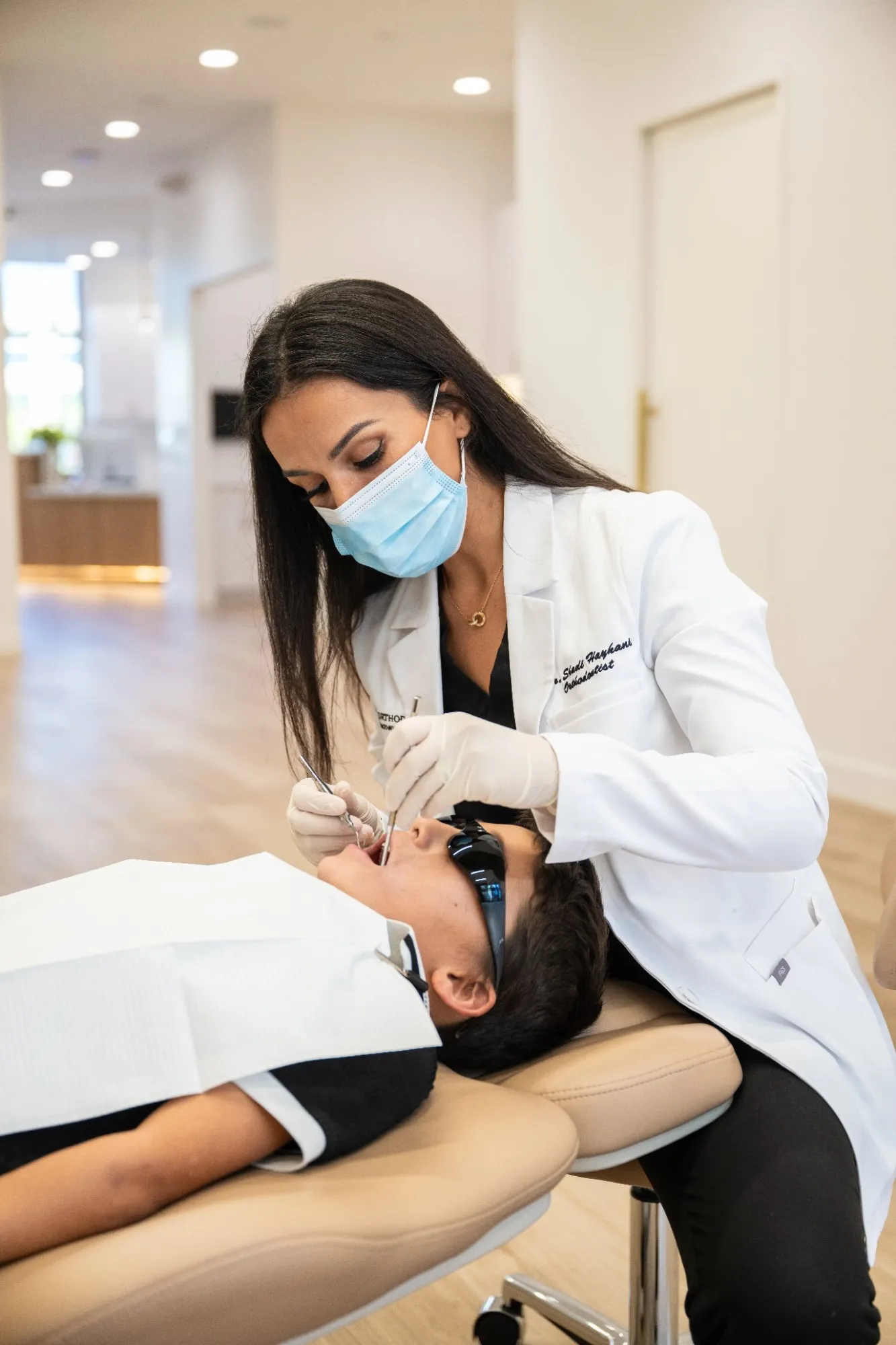
The first few days can feel different.
Mild tenderness can happen after braces are fitted or adjusted, or when starting a new aligner. It usually eases over a few days; sharp, worsening or persistent pain needs advice.
- 01
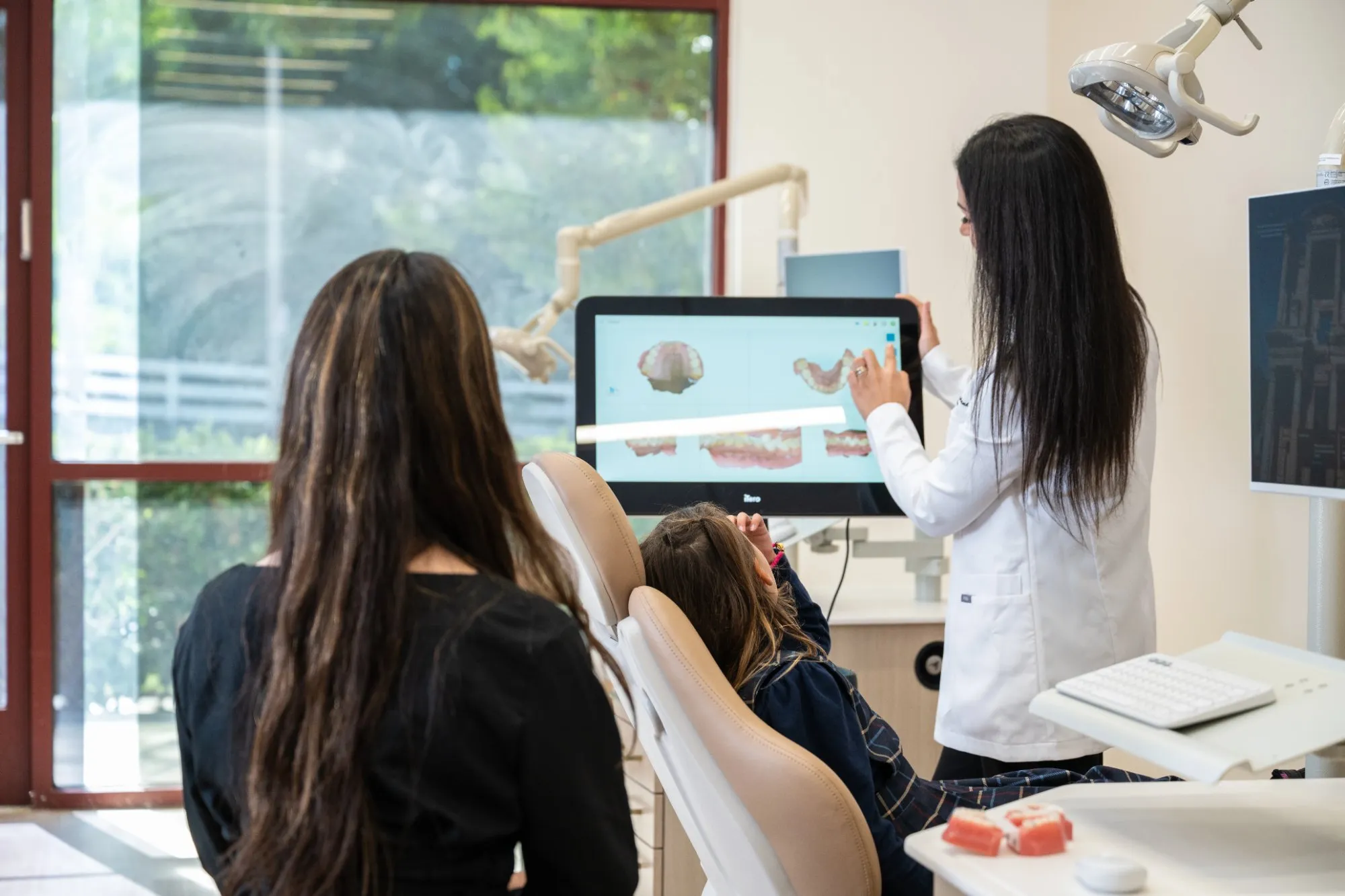
Soft food, no apology
Pasta, eggs, yogurt, smoothies, soup, mashed anything. Cold foods help. Cut fruit and bread into small pieces instead of biting into them.
For practical breakfasts, lunches, dinners, and food-preparation ideas, see our foods to eat with braces guide.
- 02
Wax on the rough spots
Brackets can rub the inside of the lips and cheeks while the skin toughens up. Dry the bracket, press a pea of wax over it. You leave with wax, and we always have more.
- 03
Pain relief, if you want it
If you need pain relief, follow the product label and your clinician’s advice; ask a pharmacist if you are unsure what is safe for you. Warm salt-water rinses may soothe irritated cheeks.
- 04
Speech settles
Aligners and expanders can temporarily affect speech while your tongue adapts. Give yourself time to adjust, and tell us if speaking remains difficult.
02Eating with braces
Almost everything, with two rules.
Hard or sticky foods can loosen brackets or bend wires. Choose softer foods and cut firm foods into small pieces rather than biting straight into them.

- 01
Nothing hard
Avoid chewing ice, hard candy, nuts and popcorn kernels. Cut corn off the cob and apples into small pieces. Soften or avoid hard crusts; cutting them up does not make every hard food safe.
- 02
Nothing sticky
Caramel, taffy, and gummy candy pull at brackets and wires and hide in places a brush cannot reach. Avoid chewing gum, including sugar-free gum, unless your treating orthodontist gives you specific instructions for your appliance.
- 03
Choose water between meals
Frequent sugary drinks raise cavity risk, and acidic drinks can wear enamel even without sugar. Choose plain water between meals, limit sugary or acidic drinks, and rinse with water afterward.
- 04
Aligner wearers: trays out to eat
Remove aligners for food and drinks other than plain water. Clean your teeth and trays before reinserting them. Follow your prescribed wear and change schedule; Invisalign commonly calls for 20–22 hours a day, but wear time alone does not guarantee progress.
03Brushing and flossing
Two minutes, around every bracket.
Plaque acids can remove minerals from enamel and leave pale or chalky spots. Some early changes can improve, while deeper marks may remain. Ask your dentist to assess a new spot.For a closer look at reaching above and below brackets, use a step-by-step brushing route and ask the team to demonstrate any difficult areas.
- 01
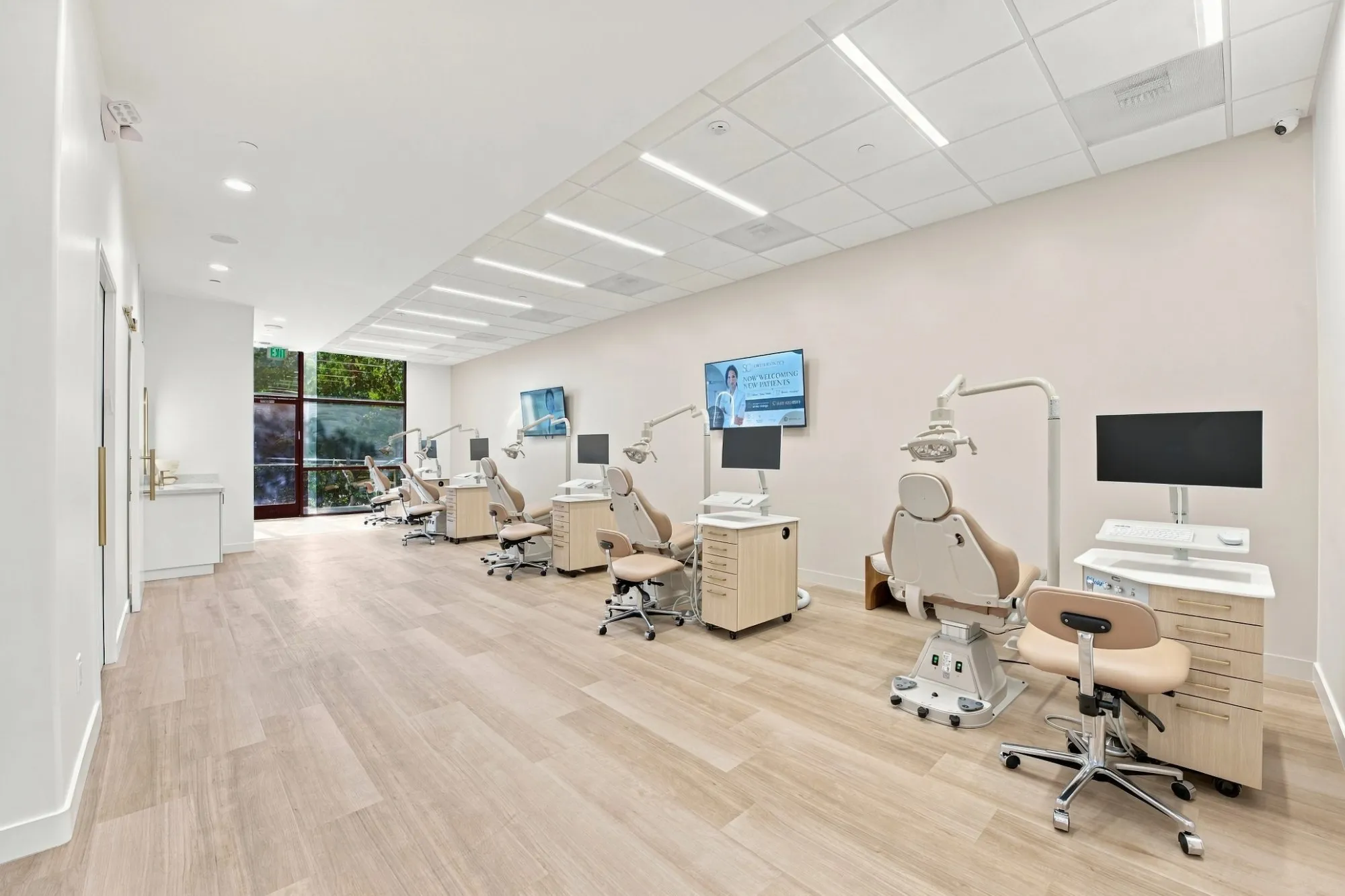
Angle the brush
Brush for two minutes at least twice daily with fluoride toothpaste and a soft brush. Clean above and below brackets and along the gumline; clean after meals as your orthodontist advises.
- 02
Floss with a threader or a water flosser
Clean between teeth every day. A threader helps floss pass under the wire; a water flosser or interdental brush may also help. Ask us to demonstrate a tool that fits your teeth and appliance.
- 03
Fluoride, as advised
Use fluoride toothpaste daily. Your dentist or orthodontist may recommend an additional fluoride rinse or prescription toothpaste for your needs. Keep regular dental checkups and cleanings during orthodontic treatment.
- 04
Aligners: brush the trays too
Clean trays gently with a soft brush and cool or lukewarm water. Follow the cleaning instructions for your aligner brand and the products your orthodontist recommends; avoid hot water and abrasive cleaners.
04Retainers
Long-term wear, as prescribed.
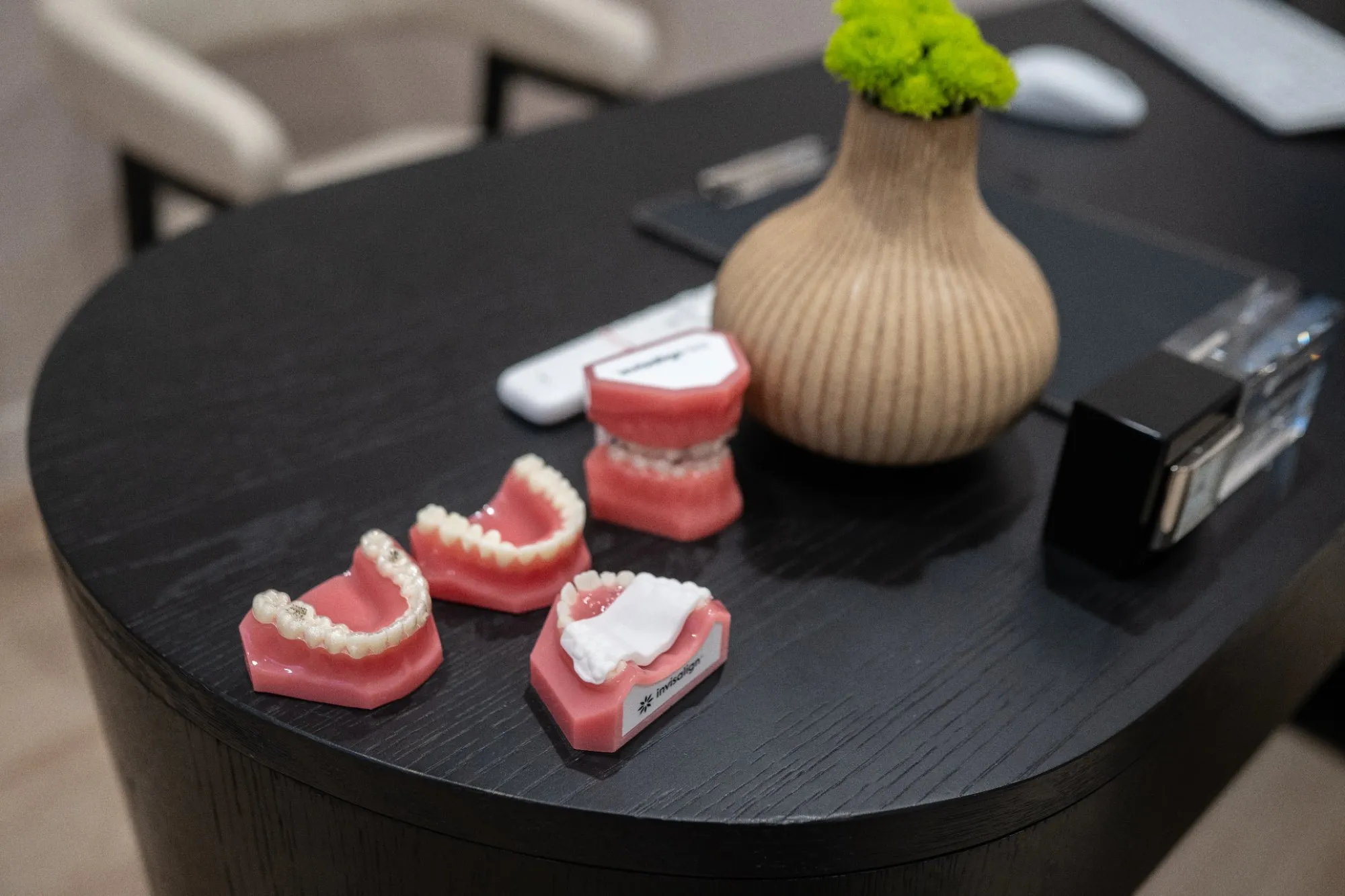
Teeth can shift throughout life. Retainers help hold their positions when used as prescribed. Your initial retainers are included in your treatment fee; later replacements are assessed and quoted separately.
- 01
Wear it as she tells you
Some cases need full-time wear at first, most settle into nights only. She sets your schedule based on how your teeth are likely to move, not a generic rule.
- 02
Case, never napkin
Napkins and lunch trays make retainers easy to throw away by mistake. When a removable retainer is out, store it in its case, away from pets.
- 03
Clean it cool
For removable retainers, rinse after each use and brush with cool water. Follow the cleaning instructions for your particular retainer, including any recommended cleaner’s soaking and rinsing directions. Avoid heat, including dishwashers and hot cars. For bonded retainers, clean around and beneath the wire daily; ask us to demonstrate the right tool.
- 04
Bring it to every visit
She checks the fit at follow-ups. If it still works, she says so, rather than replacing it.
05Quick fixes
What to do before you reach us.
Call 911 for breathing or swallowing difficulty, uncontrolled bleeding, or a serious facial or jaw injury. A knocked-out or badly displaced permanent tooth needs urgent dental care. Severe pain with facial swelling or fever needs urgent assessment. Do not wait for an office callback when these warning signs are present. Call or text us about appliance problems; all of them get a same-day response. Here is how to be comfortable in the meantime.
More resources
Something not right?
Call or text. You hear back the same day, every time.
Orthodontic emergency visits are included in your treatment fee. Describe the problem so we can advise you. For the urgent medical or dental warning signs above, seek emergency care rather than waiting for a reply.