
Open weekdays, Sundays & evenings
(661) 425-0559 Request appointment
SC Orthodontics Book online
Smile Gallery First Visit
Call or text, same-day reply(661) 425-0559
Book free consultation
An illustrative portrait of an adult smiling with a retainer case in hand.

SC Orthodontics · Keeping your result

Retainers in Valencia & Santa Clarita

Custom retainers help hold your teeth after braces or Invisalign. Compare clear, Hawley and bonded options, or have a lost, damaged or poorly fitting retainer checked.

Life after active treatment

Keep the progress.
Keep the habit.

Retainers help maintain the tooth positions achieved with braces or aligners. They are not a one-time finishing detail: fit, wear and care all matter over time.

  1. 01 · Explore

    Know your retainer

    Fixed and removable retainers have different care needs.

  2. 02 · Explore

    Build the habit

    Follow your wear instructions and make cleaning and storage routine.

  3. 03 · Explore

    Check a changed fit

    Lost, damaged or uncomfortable retainers need the right next step.

01Choose for the teeth being held

Your retainer plan,
made in Valencia.

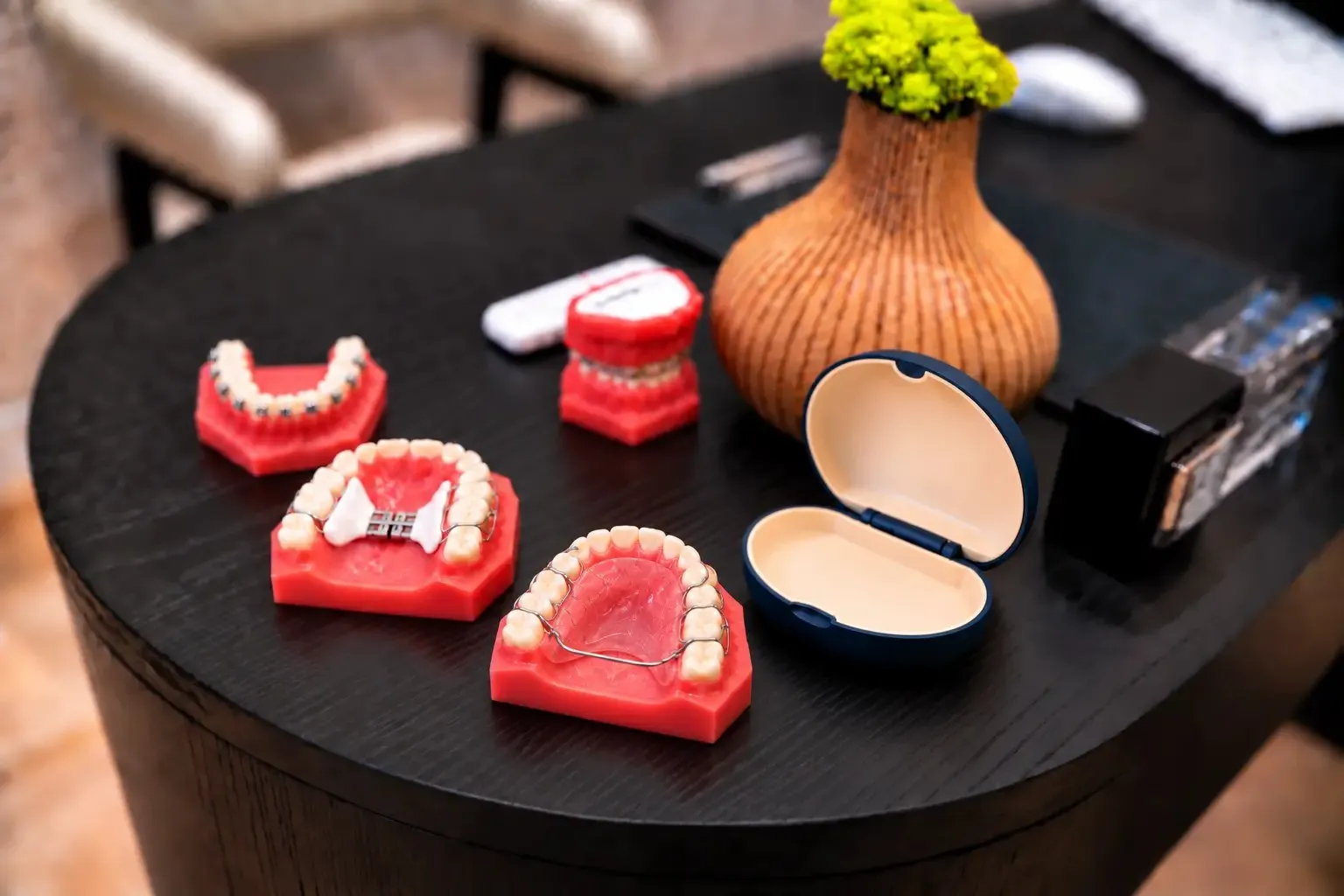
A wire-and-acrylic retainer on a dental model beside its protective case.

Removable retainers

These may be clear trays or a wire-and-acrylic design. You take them out as instructed and wear them on the schedule set for your case.

Fixed retainers

A thin wire is bonded behind selected teeth. It stays in place, but the teeth and wire still need careful cleaning and checks for loosened bonds or damage.

Might I have more than one type?

Sometimes a plan includes both a fixed and a removable retainer. A bonded wire does not necessarily support every tooth or replace a removable appliance. Ask which teeth each retainer is intended to hold and how to use them together.

A closer comparison

Which retainer is best for you?

The best retainer matches the teeth being held and a routine you can keep. Compare visibility, removability and cleaning, then have Dr. Haykani check which designs suit your bite.

01 · Removable tray

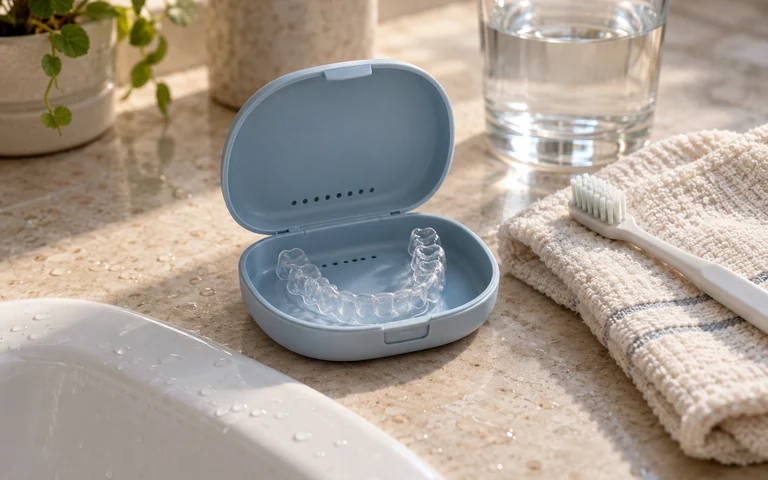
Clear retainers

The design
A transparent tray fits over the teeth. It resembles an aligner, but its job is to hold a position rather than follow a series of movements.
Best for / tradeoff
Best for a discreet removable retainer and cleaning outside the mouth. The tradeoff is remembering prescribed wear and protecting the tray from heat, loss and damage.
02 · Removable wire + acrylic

Hawley retainers

The design
An acrylic section rests behind the teeth or against the palate, with a wire across the front teeth.
Best for / tradeoff
Best for a sturdy removable design when a visible front wire is not a concern. The acrylic section can take time to get used to, especially for speech.

03 · Fixed behind the teeth

Bonded retainers

The design
A wire is attached behind selected teeth and stays there between visits. It is not taken out for cleaning or meals.
Best for / tradeoff
Best for continuous support of selected teeth without daily insertion. The tradeoff is detailed cleaning and bond checks; a removable retainer may still be part of your plan.
How do we choose a retainer rather than just a material?

Bring up the things that will shape your routine: keeping track of a removable appliance, cleaning a fixed wire, speaking at work or playing an instrument. Dr. Haykani considers the teeth being held, your bite and the condition of existing appliances. A plan can combine designs; changing the material does not automatically change your prescribed wear schedule. Compare Hawley and clear retainers in more detail.

02Everyday care

A small habit.
A long-term role.

A clear retainer in its case beside a soft toothbrush and water.

Follow the wear plan

The right schedule is yours, not a rule copied from someone else. Remove a removable retainer for meals as instructed and return it to its case whenever it is out.

Clean the teeth and the appliance

Clean a removable retainer daily using the method advised for its material. For a fixed wire, clean around it and between the teeth; ask us to demonstrate tools that reach beneath it.

What should I avoid?

Keep removable retainers away from heat, pets and loose pockets or napkins. Do not use hot water to reshape one or bend a wire yourself. Ask before using a cleaner that was not recommended for your retainer.

More practical detail: how to clean retainers.

03When something changes

Changed fit?
Check it, don’t force it.

Contact us if a retainer is lost, damaged, painful or no longer seats normally. Forcing an old appliance is not a substitute for finding out what has changed.

Retainer checks for Santa Clarita

Bring your retainer to our Valencia office. Dr. Haykani, our Valencia orthodontist, checks the appliance and your teeth before recommending repair or replacement. Our Hawley retainer repair guide explains what matters when a wire or acrylic section is damaged.

  1. 01

    Check the fit

    Look at how the appliance seats and whether a wire, bond or plastic section has changed.

  2. 02

    Assess your teeth

    Review tooth positions and the bite rather than assuming the retainer is the only issue.

  3. 03

    Explain the options

    Continue, adjust or replace when appropriate; discuss treatment only if tooth movement calls for it.

What should I bring to a retainer visit?

Bring the appliance, any broken pieces and information about your recent wear routine. Tell us about new dental work or a change in fit. If it no longer fits normally, do not force it in just for the appointment.

My retainer doesn’t fit: what to know

Does a new retainer fix teeth that have already shifted?

A replacement may hold the positions your teeth are in now; it is not automatically a way to recreate your previous result. First clarify whether the goal is to maintain the current alignment or discuss further tooth movement. That decision comes before choosing a replacement—not after forcing an old tray into place.

Before a replacement

Check the need.
Understand the fee.

Your initial retainers are included in your orthodontic treatment fee at SC Orthodontics. Later loss, damage or replacement is a separate question: ask what your existing agreement covers and request the proposed fee before deciding.

Our treatment-fee overview explains the wider orthodontic plan. For a replacement, confirm whether the quote covers one or both arches, fitting and reviews. Read about financing and ask which payment arrangements apply to your proposed retainer care.

A little more detail

Questions about
retainers.

A working appliance and a routine you understand make ongoing care simpler.

Do I need retainers after both braces and Invisalign?

Yes. Both treatments move teeth, and teeth can change position afterward. Retainers help maintain the alignment you achieved. Your retention plan may use clear trays, a Hawley retainer, a bonded wire or a combination; it is not determined by the brand of braces or aligners alone.

Which type of retainer is best for me?

Clear retainers are best for a discreet removable option. A Hawley is best for a sturdy removable design when a visible front wire is acceptable. A bonded retainer is best for continuous support of selected teeth without daily insertion. Dr. Haykani checks your bite, the teeth that need support and your cleaning routine before recommending a design. Some plans combine types.

How long will I need to wear a retainer?

Plan on long-term retention, often for life, to help maintain your tooth positions. The amount of wear can change: some patients start with more hours and later move to nighttime wear. Follow your own written schedule rather than stopping after a set number of months or when the retainer feels comfortable.

Can I wear my retainer only at night?

Only if that is your prescribed schedule. A clear tray or Hawley retainer does not automatically mean nights only. Ask when your wear time should be reviewed, especially soon after active treatment or if the fit changes.

Do I still need a removable retainer with a bonded wire?

Sometimes. A bonded wire supports the teeth it is attached to, not necessarily the whole arch. If your plan includes a removable retainer as well, keep using it as instructed. Do not stop because the wire feels secure.

Can my last Invisalign tray replace a retainer?

Do not assume it can. An aligner is designed for a treatment stage; a retainer is intended for ongoing retention. Ask what to wear during the handoff to your retainers, and do not substitute an old aligner for a lost or damaged retainer without advice.

Can teeth still move while I use retainers?

Some change can occur over time. Prescribed wear helps maintain alignment, but the retainer must also fit and remain in good condition. Tell us if a tooth looks different, a gap appears, your bite changes or an appliance feels loose. Retainers reduce unwanted movement; they do not guarantee that teeth will never change.

What if I have missed several nights or stopped wearing my retainer?

Do not force it back on or invent a catch-up schedule. If it still seats fully and comfortably, follow your existing instructions and ask us about the gap in wear. If it will not seat normally, is painful or looks distorted, stop and arrange a fit check.

Is a tight retainer normal, or should I stop wearing it?

Mild snugness is different from a retainer that will not fit. Do not bite down hard to seat it or keep wearing it through significant pain. Contact us if it sits partway on, pops off, has a sharp edge or stays uncomfortable. We need to check whether your teeth, the appliance or both have changed.

Will a new retainer straighten teeth that have shifted?

A replacement usually holds the tooth positions it is made for; it is not automatically a way to recover your earlier result. We first decide whether the goal is to maintain the current alignment or move teeth again. If further movement is needed, that requires a separate treatment discussion.

What should I do if I lose my retainer?

Call or text the office promptly rather than waiting for your next routine visit. Tell us which retainer is missing and when you last wore it. Ask what to wear while a replacement is arranged; do not use an old aligner, another person’s retainer or a poorly fitting spare.

Can a cracked clear retainer or damaged Hawley be repaired?

It depends on the damage and fit. A Hawley’s wire and acrylic need assessment; a cracked or distorted clear tray may need replacement. Keep the appliance and any pieces in its case. Do not glue it, heat it or bend a wire yourself. Our Hawley retainer repair guide explains what we check.

What if my fixed retainer feels loose or breaks?

Contact the office promptly, even if it does not hurt. One bond can loosen while the wire remains attached elsewhere. Do not pull, cut, bend or glue the wire. Ask whether to use any removable retainer in your plan while you wait, and tell us if the wire is sharp or your bite has changed.

How long do retainers last, and when should they be replaced?

There is no replacement date that fits everyone. We check the fit, wear, cracks, distortion and bonds before recommending a change. A retainer that still fits and is in good condition may not need replacing. Lifelong retention does not mean one appliance lasts for life.

How should I clean a removable retainer?

Clean it daily using the method recommended for that material, rinse it well and clean the case too. Keep it away from hot water and other heat. Do not assume every toothpaste, soaking tablet or cleaner is suitable for every design. Our retainer-cleaning guide separates clear, Hawley and fixed-retainer care.

How do I floss around a bonded retainer?

Clean between the teeth and beneath the wire each day, as well as brushing around it. Ask us to demonstrate a floss threader or suitable interdental brush if access is difficult. Avoid tugging on the wire or scraping off hard buildup yourself, and keep regular dental cleanings.

Can I eat, drink coffee or chew gum with a removable retainer?

Remove it for meals, chewing gum and drinks other than plain water unless you have different instructions for your appliance. Food and colored or sugary drinks can collect around the teeth or stain the retainer. Put it straight in its case, then clean your teeth and retainer before reinserting it.

Will a retainer affect speaking or playing an instrument?

You may notice a temporary speech change, particularly with a Hawley’s acrylic section. Tell us if you sing, speak for work or play a wind instrument so we can discuss a practical wear plan. Persistent soreness or a fit problem should be checked rather than treated as something to push through.

Is a retainer the same as a nightguard?

No. A retainer maintains tooth positions; a nightguard is intended to protect teeth from grinding-related wear. If you need both, the appliances and wear plan must work together. Do not replace prescribed retainer wear with a nightguard on your own. Read our retainer-versus-nightguard guide before changing your bedtime routine.

Can I wear a retainer instead of a sports mouthguard?

No. A retainer holds tooth positions; a sports mouthguard is designed for impact protection. Ask which mouthguard works with your teeth and any bonded wire. Keep a removable retainer in its case during contact sports and follow your instructions for putting it back in afterward.

Are my first retainers included, and what do replacements cost?

SC Orthodontics includes your initial retainers in the orthodontic treatment fee. Later replacements are quoted separately for the care needed. Before deciding, confirm the design, whether the quote covers one or both arches, fitting and any follow-up. An existing retainer that still fits may not need replacing. See our fees and financing page.

Will insurance or a payment plan cover a replacement retainer?

Ask us to check the specific replacement and your remaining benefits before assuming it is covered. Your earlier treatment agreement may also matter. Our practice offers orthodontic financing, but which payment arrangements apply to a repair or replacement should be confirmed with the quote.

Can I switch from a clear retainer to a Hawley or bonded wire?

Possibly. Bring your current retainer so Dr. Haykani can check your teeth, bite and the reason you want to switch. A different design needs to support the same retention goals; it does not automatically reduce wear time. Our Hawley-versus-clear comparison can help you weigh the everyday tradeoffs.

What happens at a retainer assessment, and how soon can I get a replacement?

We check the appliance, tooth positions and bite before recommending continued use, adjustment, repair or replacement. Bring the retainer, broken pieces and any earlier treatment agreement. A replacement may need a new scan or impression. Ask for the expected turnaround and what to wear meanwhile; do not assume it will be made the same day.

What if dental work changes how my retainer fits?

Tell your dentist and orthodontist that you use a retainer before a filling, crown or extraction, and bring the appliance when asked. If it fits differently afterward, contact us rather than forcing it. We can assess whether an adjustment, replacement or a different wear instruction is needed.

How often should I have my retainers checked?

Use the review schedule agreed for your teeth and appliances; there is no single interval for everyone. Bring removable retainers to those visits and keep regular dental checkups. Contact us sooner for a changed fit, damage or a loose bond rather than waiting for the next scheduled review.

Your next step

Keep your retainer
part of the plan.

Talk with SC Orthodontics in Valencia, serving Santa Clarita, about a new retainer, a changed fit or your ongoing wear instructions.

Visit
25385 Wayne Mills Pl
Valencia, CA 91355
Call / text
(661) 425-0559
Book free consultationSundays & evenings available