

SC Orthodontics · Tooth-colored braces
Ceramic braces in Valencia & Santa Clarita
Less noticeable brackets. A plan made for your bite. Explore a discreet fixed-braces option with Dr. Haykani.
A subtler way to wear braces
What are ceramic braces?
Ceramic braces use clear or tooth-colored brackets to make fixed orthodontic treatment less noticeable. Unlike removable aligners, they stay on during meals, conversations and sleep. The appeal is a subtler appearance; the decision also needs to account for your bite, cleaning routine and treatment fee.
01The look
Tooth-colored brackets.
Still fixed braces.
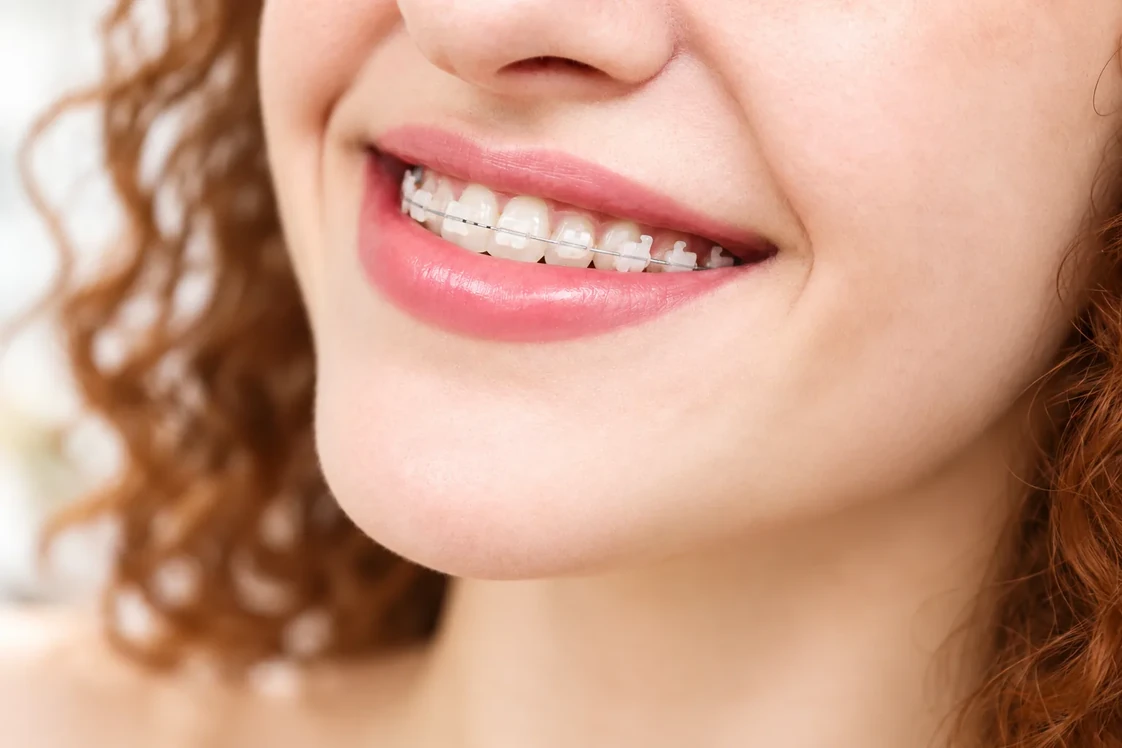
Clear or tooth-colored brackets make the appliance less prominent. A thin archwire still connects them, and other parts of your treatment may be visible.
Fixed braces, a softer appearance
Each bracket is attached to a tooth, and an archwire links the brackets to guide movement. Depending on the bracket system, small ties or a built-in mechanism hold the wire in place. Rubber bands worn between the upper and lower teeth serve a different purpose: they may help correct how your teeth meet.
What changes—and what does not?
Ceramic brackets can be more prone to breakage than metal, and contact with an opposing tooth can be a concern. We assess where the brackets would sit and whether your bite needs a different approach. Clear brackets do not make a treatment metal-free: wires and other components may still contain metal. Tell us about diagnosed material allergies before choosing an appliance.
Want to understand the small parts? Read about rubber bands for bite correction and planning braces with a nickel allergy.
02The plan
Who are ceramic braces
best for?
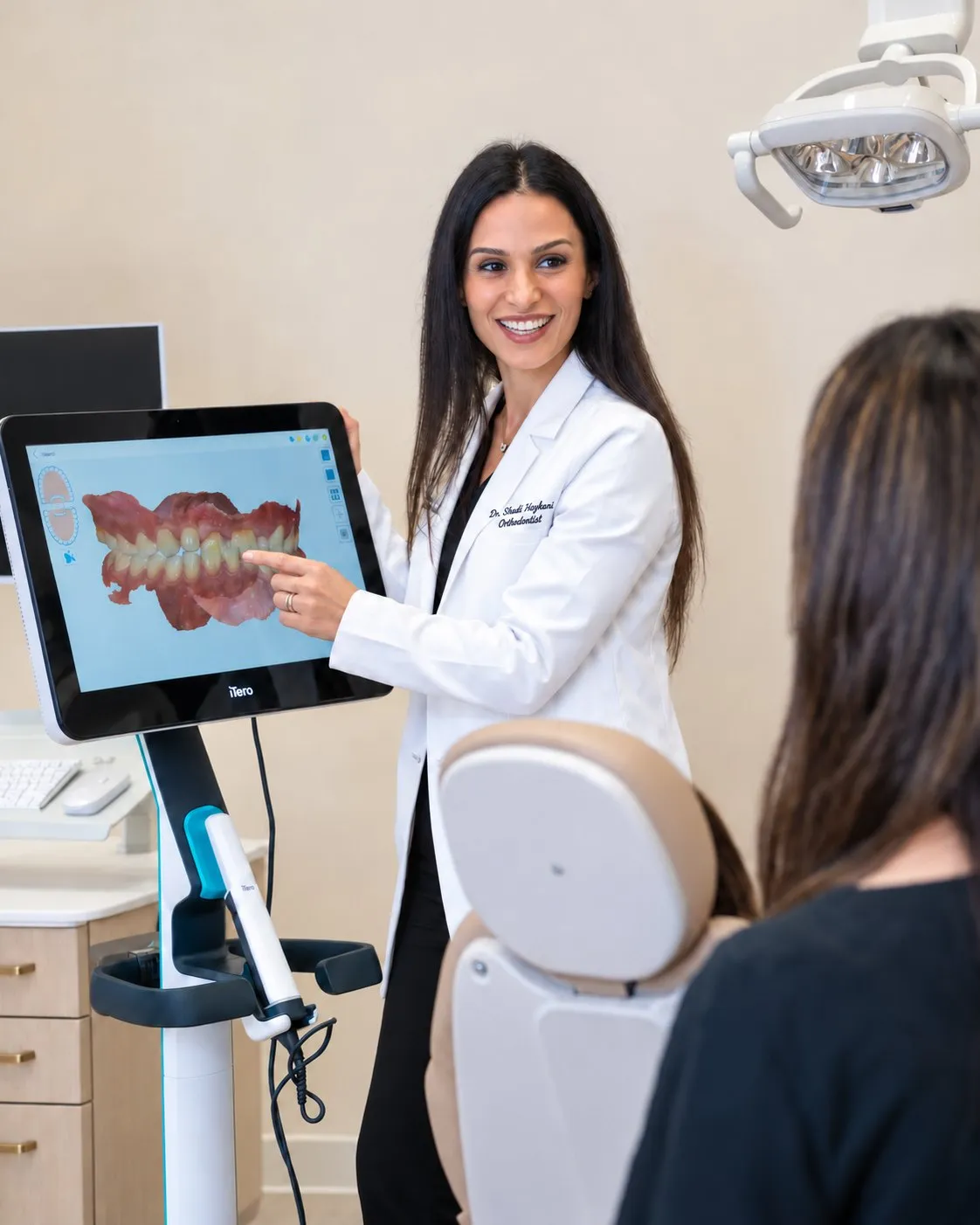
Ceramic braces are best for teens and adults who want less noticeable fixed treatment without managing removable trays. They can treat many crowding, spacing and bite concerns, but need careful cleaning and food choices. Dr. Haykani checks your whole bite, planned tooth movements and dental health to decide whether ceramic is the right fit.
Your Santa Clarita consultation
Bring your questions, dental history and any previous orthodontic plan to our Valencia office. Existing fillings, crowns, gum problems and the way your teeth contact one another can affect the recommendation. We explain which options can meet your goals, what each involves and whether other dental care should come first.
Ceramic, metal or clear aligners?
Choose ceramic for a subtler fixed appliance; consider metal braces when durability or cost matters more. Invisalign and Spark aligners are removable for meals and cleaning, but need consistent prescribed wear. LightForce’s ceramic option adds custom 3D-printed brackets. Damon describes a self-ligating system, not a bracket color. We compare the options that fit your bite, including their care requirements and written fees.
- 01
Assess your bite
Review your goals, dental health and bite, with X-rays or scans as needed. Your written plan explains the proposed treatment, expected timing, fee and insurance estimate.
- 02
Fit your braces
Place the brackets and wire, then practice cleaning and any prescribed elastics. Ask what should feel different and how to contact us about a rubbing or loose part.
- 03
Review and adjust
Check tooth movement, the bite and gum health at review visits. Wire changes and other adjustments follow your needs; a friend’s schedule is not a guide to your finish date.
Prepare for your visit: what happens at a consultation · comparing braces and aligners · what adjustment visits involve.
03Daily care
Cleaning, meals
& daily care.
Clean around every bracket
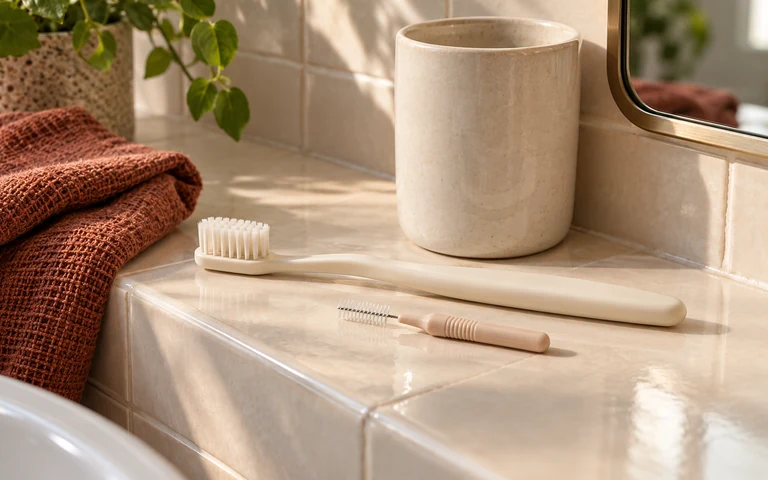
Brush carefully with fluoride toothpaste, working around the brackets and gumline, and clean between teeth and beneath the wire every day. Ask us to demonstrate the tools for difficult areas. Keep regular dental checkups: a clean-looking bracket does not mean the enamel around it is free of plaque.
Protect the brackets
Avoid hard, sticky or very crunchy foods that can damage braces. Cut suitable firm foods into small pieces rather than biting directly into them, and choose manageable, softer meals when teeth feel tender. Report a chipped or loose bracket rather than waiting for the next planned visit.
Coffee, color and cleaning
Clear braces are not a promise of a permanently unchanged color. Foods and drinks can affect the appearance of the appliance, especially clear elastic ties when used. Ask us about your particular brackets and ties, and keep plaque from building up around them.
Build your routine with our guides to brushing with braces, brace-friendly foods and white spots and enamel care.
04Beyond braces
After braces:
your retainer plan.
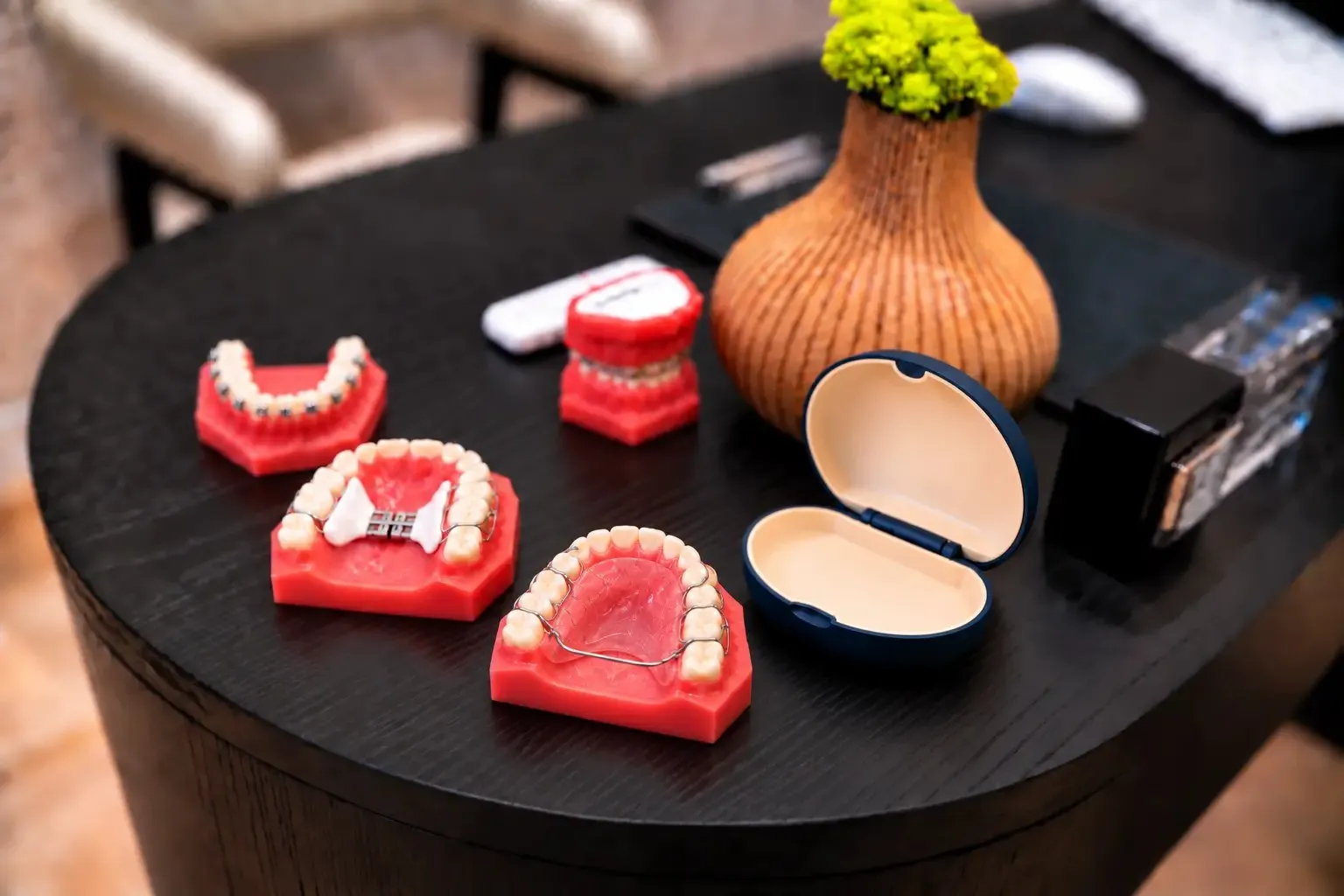
Treatment finishes when the agreed alignment and bite goals have been assessed—not simply when the front teeth look straighter. Your treatment time is individual. Brackets and adhesive are professionally removed, and the retainer plan becomes part of your ongoing care.
Retainers protect the work
Teeth can shift after treatment and with age. Wear your retainers on the schedule prescribed for you, keep them clean and bring up fit problems early. A retainer that feels wrong should be checked rather than forced into place. Retention is a long-term commitment, not just the final appointment.
Before you decide
Ceramic braces cost
& financing.
Ceramic braces are quoted by case at your consultation. The braces prices on our published fee guide are for metal braces, so they are not a ceramic quote. Compare the written recommendation, what is included and your expected share before deciding.
Monthly payments
SC Orthodontics offers 0% financing. Your monthly amount depends on the quoted fee, down payment and plan length. Review the current examples, then ask for a payment schedule for your own plan.
Check the actual insurance benefit
An insurer’s name alone does not establish coverage for ceramic braces. The insurance review checks your policy, eligibility and proposed treatment. A lifetime orthodontic maximum is a limit, not a guaranteed payment; read the estimate alongside your fee.
A little more detail
Questions about
ceramic braces.
Compare appearance, treatment choices, daily care and cost. Bring the questions that matter to your consultation.
Who are ceramic braces best for?
Ceramic braces are best for teens and adults who want a less noticeable fixed appliance and would rather not manage removable trays. They still require careful cleaning, sensible food choices and regular reviews. Dr. Haykani checks your bite and dental health before recommending them; durability, tooth contact or a different treatment goal may make another option a better fit.
How do ceramic braces move teeth?
Ceramic brackets are attached to the teeth and connected by an archwire. The wire applies controlled forces, and adjustments guide the teeth toward the planned positions. Brackets stay on throughout treatment. Depending on your bite, the plan may also use rubber bands or other appliances; a clear bracket is only one part of treatment.
Are ceramic braces worth it compared with metal braces?
Their main advantage is appearance: ceramic brackets blend in more than metal brackets. Metal is generally the more durable choice and may cost less. If a subtler smile matters to you and your bite is suitable, ceramic can be worth considering. Compare the actual written plans, not an assumption that either material gives everyone a better result.
Are ceramic braces better than Invisalign or Spark aligners?
Ceramic braces are often the better fit when you want fixed treatment without managing daily tray wear. Invisalign and Spark aligners suit people who value removing the appliance for meals and cleaning and can follow the prescribed wear schedule. Both approaches need daily care. The tooth movements and bite correction you need determine which options Dr. Haykani recommends.
How do ceramic braces compare with LightForce?
Ceramic describes the bracket material; LightForce describes a custom treatment system. LightForce’s ceramic option uses brackets individually designed and 3D-printed from a digital treatment plan, rather than standard bracket shapes. Both are fixed appliances with wires and a daily cleaning routine. Ask whether that customization is useful for your case and how the written fees compare.
Are ceramic braces the same as Damon braces?
No. Ceramic describes a material, while Damon is a self-ligating system that holds the archwire with a built-in mechanism. Some Damon brackets are ceramic, so the categories can overlap. Self-ligation does not by itself establish a shorter treatment or a better result. Ask which bracket material and system fit your bite.
Can ceramic braces treat crowding, gaps or an overbite?
They can be used for many alignment and bite concerns, but a bracket choice is not a diagnosis. Dr. Haykani evaluates the space available, tooth positions and how your jaws and teeth meet. More involved problems may need additional appliances or a different approach. The plan should address the bite as well as the teeth you see when smiling.
Can I have ceramic braces on top and metal braces on the bottom?
A combination can be considered when it suits your bite. For example, ceramic brackets on lower teeth may be unsuitable if upper teeth would bite onto them. Using different materials is not the same as treating only one row: both arches may still need treatment. Dr. Haykani checks tooth contact and the overall plan before recommending a combination.
Will people be able to see my ceramic braces?
Ceramic brackets are less conspicuous than metal brackets, not invisible. The wire, ties, hooks or prescribed rubber bands can still show, especially up close. Ask to see the appearance of the system recommended for you rather than relying on a heavily edited photo or assuming every part will match your tooth color.
Do ceramic braces stain if I drink coffee or tea?
Coffee, tea and strongly colored foods can affect how clear braces look, especially clear elastic ties when they are used. Plaque can also build up around the appliance. Rinse with water after drinks and keep up your cleaning routine. Ask us to check discoloration; do not use bleach, abrasive scrubbing or home remedies on your braces.
What foods should I avoid with ceramic braces?
Avoid hard, sticky and very crunchy foods that can chip brackets or loosen them from the teeth. Do not chew ice or bite directly into firm foods such as whole apples; cut suitable foods into small pieces. Soft, easy-to-chew meals can help after adjustments. Choose water often and limit frequent sugary or acidic drinks to protect your enamel.
How do I brush and floss with ceramic braces?
Brush carefully with fluoride toothpaste around each bracket and along the gumline, and clean between teeth and under the wire every day. An interdental brush or floss threader can help reach awkward areas; ask us to demonstrate. Keep your regular dental cleanings and checkups. Tooth-colored brackets do not protect the surrounding enamel from plaque.
Do ceramic braces take longer than metal braces?
Not every ceramic case takes longer, and neither material guarantees a faster finish. Your bite, planned movements, bracket system, oral health, breakages and attendance all affect the timeline. Dr. Haykani gives an estimate for your actual plan and reviews progress along the way. Straight-looking front teeth alone do not mean the bite correction is finished.
How often will I need adjustment appointments?
Your review schedule depends on the stage of treatment and what needs checking or adjusting. We assess tooth movement, the bite, gum health and the condition of the appliance, then arrange the next visit. Ceramic brackets do not mean you can skip monitoring. If a part loosens or hurts unexpectedly, contact us rather than waiting for that appointment.
Do ceramic braces hurt less than metal braces?
Ceramic is not a guarantee of less discomfort. Teeth may feel tender after fitting or an adjustment, and brackets or wires can rub while you adapt. Soft meals and orthodontic wax can help with temporary irritation. Ask us about suitable pain relief, and contact the office if pain is severe, persistent or getting worse.
Can I play sports with ceramic braces?
Yes, but protect both your teeth and your braces. For contact sports or activities with a risk of impact, ask us about an orthodontic mouthguard that fits over the appliance and allows for tooth movement. Do not assume your old guard still fits. Tell the office about any impact that leaves a tooth sore or damages a bracket.
Will ceramic braces affect speech or playing an instrument?
You may need a short adjustment period as your lips and cheeks get used to the brackets, especially with wind or brass instruments. Bring up rehearsals, performances or speaking commitments when planning treatment. If rubbing or speech changes persist, ask us to check the fit and suggest practical adjustments rather than trying to alter the braces yourself.
What should I do if a ceramic bracket chips or a wire pokes?
Call or text SC Orthodontics at (661) 425-0559 for advice. Avoid pulling at the bracket or wire; orthodontic wax can cover a rubbing area temporarily. Report damage even when it is not painful, because it can interrupt treatment. For trouble breathing, heavy bleeding or a serious facial injury, seek emergency care immediately.
Are ceramic braces metal-free or safe for a nickel allergy?
Ceramic brackets do not make the whole appliance metal-free. Wires, ties, slots or other components may contain metal, depending on the system. Tell us about any diagnosed material allergy and bring relevant test results before treatment. We need to check the materials in the complete proposed appliance rather than judge by its color.
Can ceramic braces damage teeth, and how are they removed?
Ceramic brackets need careful placement and professional removal. Hard ceramic can wear an opposing tooth if it bites against a bracket, so we check those contacts when planning treatment. Separately, plaque around any type of braces can cause white spots or decay. Do not pull brackets off yourself; the brackets and adhesive are removed with appropriate dental instruments.
Can I have ceramic braces with crowns, fillings or gum problems?
Possibly, but those details can change the plan. Restorations affect where and how brackets can attach, and active gum problems or decay may need attention before teeth are moved. Bring your dental history to the consultation. Dr. Haykani assesses the supporting tissues and can coordinate with your dentist when other care is needed.
Will I need rubber bands with ceramic braces?
You might. Small ties hold the wire in some bracket systems; rubber bands between upper and lower teeth have a different job, helping correct the bite. Whether you need them depends on your treatment plan, not the bracket color. Wear only the type and pattern prescribed for you, and ask for help if the instructions are unclear.
How much do ceramic braces cost at SC Orthodontics?
Ceramic braces are quoted for your individual case at the consultation. The braces ranges in our published fee guide are for metal braces, not ceramic. Your written quote explains the recommended treatment and what is included. Compare that total with the other suitable options before deciding, rather than using a metal-braces price as a ceramic estimate.
Does dental insurance cover ceramic braces?
It depends on your policy, orthodontic benefits and eligibility. A plan may have age limits, a waiting period or a lifetime orthodontic maximum, and that maximum is not a guaranteed payment. We review the proposed treatment and show the insurance estimate alongside your fee. Ask what portion remains your responsibility and whether the ceramic option changes coverage.
Can I pay monthly for ceramic braces?
SC Orthodontics offers 0% financing. Your ceramic-braces payment schedule depends on your quoted fee, down payment and plan length. Ask for the total and monthly amount in writing after any estimated insurance benefit is applied. A monthly example for metal braces is not automatically the payment for ceramic treatment.
What happens at a ceramic-braces consultation?
At your free consultation in our Valencia office, we discuss your goals and assess your teeth and bite, with X-rays or scans as needed. Bring dental history, allergy information and insurance details. Dr. Haykani explains the suitable options, expected timing and written fee. You can compare ceramic with metal braces, aligners or other recommended systems before deciding.
Can I switch from ceramic braces to another treatment later?
Ask before making a change. Switching brackets or moving to aligners may be possible, but it requires a review of your current tooth positions, remaining movements, timing and fee. It is not simply a cosmetic swap. If appearance, cleaning or discomfort is bothering you, tell us so we can address the concern and explain suitable options.
Will I need retainers after ceramic braces?
Yes. Teeth can shift after braces and as you age, whatever bracket material was used. We prescribe a retainer plan to protect the alignment and bite achieved, with instructions for wear and cleaning. If a retainer is lost, damaged or no longer fits, contact us promptly rather than forcing it into place or leaving it unworn.
Your next step
Find your fit
at a free consultation.
Meet Dr. Haykani at SC Orthodontics in Valencia, serving Santa Clarita. Bring your questions; leave knowing which options fit your smile.
- Visit
- 25385 Wayne Mills Pl
Valencia, CA 91355 - Call / text
- (661) 425-0559
Ceramic braces near you
Directions and timing from your part of the valley.
Also consider