
Open weekdays, Sundays & evenings
(661) 425-0559 Request appointment
SC Orthodontics Book online
Smile Gallery First Visit
Call or text, same-day reply(661) 425-0559
Book free consultation
An illustrative portrait of an adult woman in a quiet home setting.

SC Orthodontics · Protection with a plan

Custom nightguards in Valencia & Santa Clarita

A custom nightguard fits over your teeth to help protect against grinding-related wear. At our Valencia office, we assess your needs, check the fit and explain your care plan.

A protective layer, not a diagnosis

Protect the teeth.
Understand the pattern.

Clenching and grinding—bruxism—can happen while awake or asleep. Worn teeth, sensitivity or jaw symptoms deserve an assessment before choosing an appliance.

  1. 01 · Explore

    Understand the purpose

    Protect tooth surfaces without assuming the cause has gone away.

  2. 02 · Explore

    Plan the fit

    Assessment, digital records and a checked appliance—not a one-size rule.

  3. 03 · Explore

    Make care routine

    Wear, clean and review the guard as your clinician advises.

01Start with the reason

What a nightguard
can—and cannot—do.

A nightguard places a barrier between the teeth to help protect them from grinding-related damage. It does not guarantee that grinding stops or that jaw pain resolves.

Who is a custom nightguard best for?

A custom guard can suit people who need grinding-related tooth protection and a clinician-checked fit, especially when dental work or other appliances need consideration. Dr. Haykani assesses your teeth and symptoms first; monitoring or further evaluation may be more appropriate than a guard.

  1. 01

    Tooth wear

    Look at the teeth and existing dental work, not just how the bite feels.

  2. 02

    Your symptoms

    Discuss when clenching, soreness or sensitivity occurs and what has changed.

  3. 03

    The next step

    Decide whether protection, further evaluation or coordinated care is appropriate.

What should I tell you at the first visit?

Describe any tooth sensitivity, morning symptoms, daytime clenching or change in jaw movement. Bring any appliance you already use and tell us about medications, recent dental work and snoring or diagnosed sleep apnea. Do not change a prescribed medication on your own.

A closer comparison

Nightguard, retainer or sports mouthguard?

Similar-looking appliances can have very different jobs. Before changing what you wear, confirm the goal of each appliance and how it fits with the rest of your care.

01 · Grinding protection

A nightguard

Its purpose
Separates the biting surfaces to help protect teeth from grinding-related wear or damage.
Its limit
Protection is not a promise that clenching stops, jaw pain disappears or teeth stay in their post-treatment positions.
02 · Holding alignment

A retainer

Its purpose
Holds teeth in their planned positions after orthodontic treatment. It may be removable or bonded behind the teeth.
Its limit
Do not assume a retainer provides the grinding protection you need, or stop prescribed retainer wear when a guard is suggested.

03 · Impact protection

A sports mouthguard

Its purpose
Cushions impacts during sports and recreation where there is a risk of injury to the mouth.
Its limit
That is a different task from nighttime grinding protection. Discuss the right guard for your sport and any braces before substituting appliances.

If you need more than one kind of protection, bring every appliance to the visit. Our retainer-versus-nightguard guide explains the questions to ask about both arches and your wearing schedule.

02From records to a checked fit

Custom nightguard fit,
from scan to review.

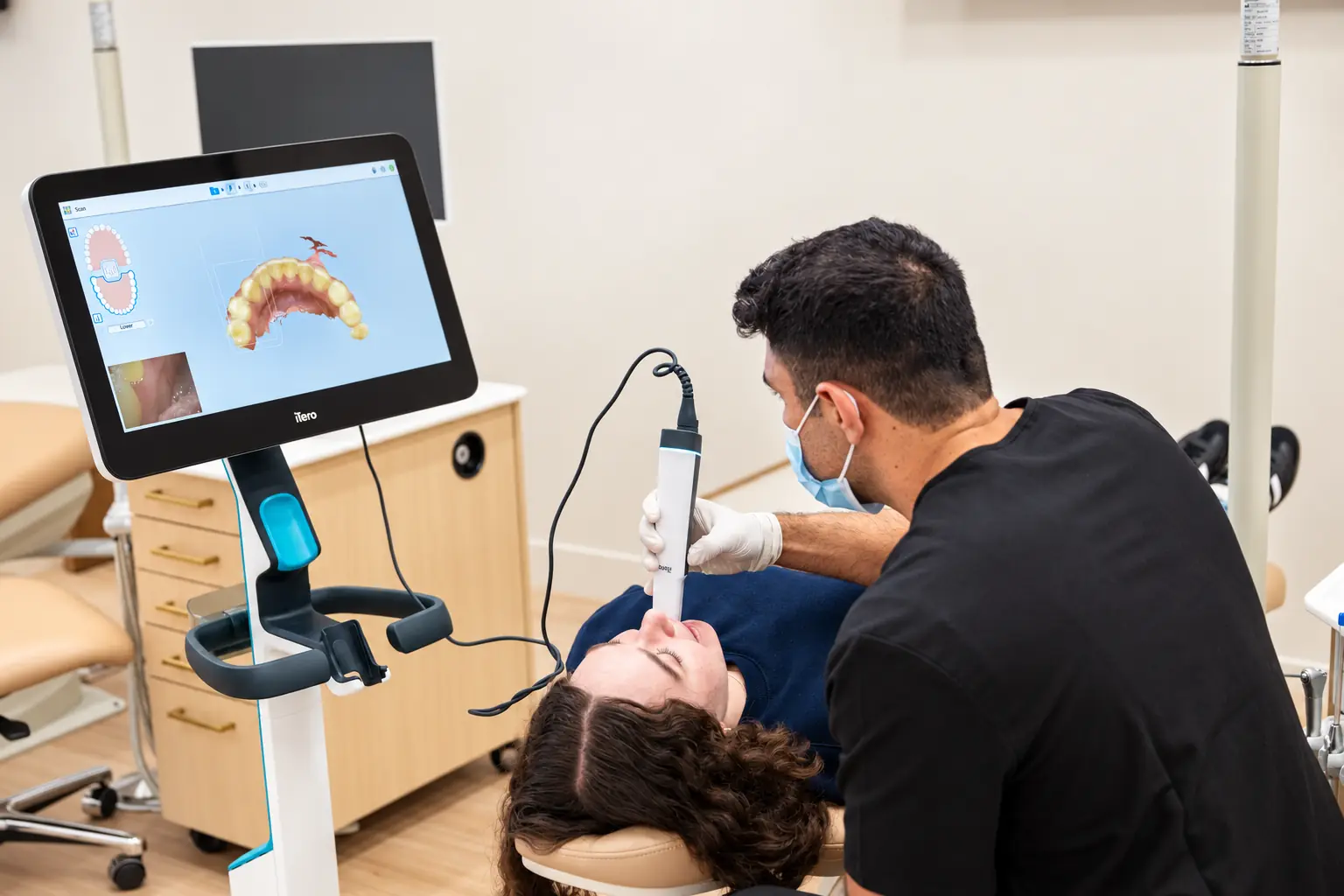
A digital scan of the teeth being reviewed on a clinical monitor.

Digital records

When a custom guard is appropriate, a scan helps record the teeth for fabrication. The material and design are chosen for your needs rather than by a universal hard-versus-soft rule.

A fitting, not just a delivery

We check how the appliance seats and how the teeth meet against it. You receive wear and care instructions, with a plan for review.

Does a new guard need follow-up?

Yes. Bring it to the visits recommended for your case so fit and wear can be checked. Tell us about new fillings, crowns or orthodontic changes, which may affect the appliance. A guard that used to fit should not be forced into place.

Custom or store-bought: what should I compare?

Compare more than the package or price. A custom plan includes an assessment of the reason for protection, records of your teeth and an in-mouth fit check. Bring a store-bought guard if you already use one; explain whether it stays in place, feels bulky or causes discomfort. The decision depends on your teeth, dental work, symptoms and other appliances—not a blanket claim that one material or product suits everyone.

03The everyday part

Wearing and caring
for your nightguard.

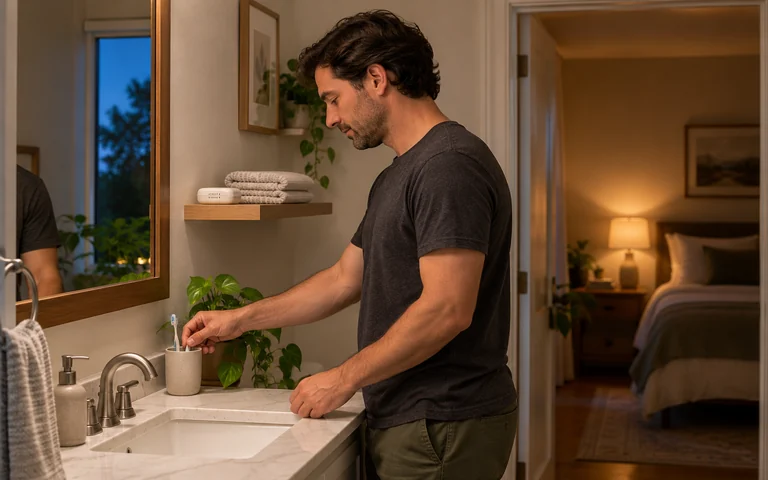
A person putting a toothbrush away as part of an evening bathroom routine.

Clean teeth. Clean appliance.

Clean the guard daily using the method recommended for its material. Keep it protected in its case when not in use and away from pets or places it could be damaged.

Nightguard reviews for Santa Clarita

Bring the guard to our Valencia office for the checks in your plan. Its condition, your teeth and any new symptoms all matter—not simply how many years you have owned it.

What if the appliance breaks?

Stop wearing a broken guard and contact the office. Keep the pieces to bring to your visit. Do not attempt a home repair with glue or try to reshape it with heat; ask for advice on the next step.

Using a retainer too? Read how to coordinate a retainer and nightguard.

Before it is made

Nightguard costs.
A separate, clear quote.

A nightguard is quoted separately from orthodontic treatment. Before it is made, ask whether your quote includes the appliance, fitting, adjustments and planned reviews. Replacement needs and fees depend on the situation.

Our orthodontic-fee overview describes braces and aligners, not nightguard pricing. You can also read our general financing information, then ask which payment options apply to your guard. Confirm any nightguard benefit with your insurer; orthodontic coverage does not establish appliance coverage.

A little more detail

Questions about
nightguards.

Get clear answers about choosing a guard, keeping it clean, coordinating retainers and knowing when to ask for a fit check.

Who is a custom nightguard best for?

A custom guard can suit someone who needs protection from grinding-related tooth wear and wants an appliance fitted and checked by a clinician. Existing dental work, symptoms and other appliances all affect that decision. Not everyone who clenches or grinds needs a guard; an assessment may lead to monitoring or other care instead.

Will a nightguard stop me grinding?

Not necessarily. A nightguard separates the biting surfaces to help protect teeth; it does not remove every reason for clenching or grinding. Daytime habits, medication history and sleep concerns may need separate attention. Tell your clinician if symptoms continue, even when the guard still fits.

Can a nightguard treat TMJ pain or fix my bite?

Tooth protection and treatment of jaw pain are different goals. Evidence that an oral splint improves temporomandibular disorder, or TMD, pain is limited, and a protective guard should not be designed to permanently change your bite. Persistent pain, locking or difficulty opening your mouth needs an assessment rather than an automatic guard recommendation.

Why consider a custom guard instead of a store-bought one?

A custom guard is made from records of your teeth and checked in your mouth. That lets the clinician assess its fit, coverage and contact with the opposing teeth. Compare that process, not just the material or price. Bring a guard you already own so we can discuss any looseness, bulk or discomfort.

Is a hard or soft nightguard better?

There is no single material choice for everyone. The design should match your teeth, dental work, wear pattern and the purpose of the appliance. Ask why a particular material is being recommended and how it will be checked. A softer feel alone does not establish that a guard is right for you.

Should a nightguard go on my upper or lower teeth?

Guards can be made for the upper or lower teeth. Your clinician chooses the design after checking your teeth, dental work and how the appliance fits with any other treatment. Do not add a second guard, stack appliances or switch arches without advice.

What happens when I have a custom nightguard made?

We start by assessing your teeth, dental work and symptoms. If a guard is appropriate, digital records help with fabrication, followed by an in-mouth fit check and wear and care instructions. Ask when your appliance is expected to be ready and which review visits are planned; timing depends on your case.

How should a nightguard fit and feel?

The guard should seat as demonstrated without being forced. A new appliance can feel unfamiliar, but sharp edges, gum rubbing, persistent soreness or a loose fit should be checked. If it causes pain, stop using it and contact the prescribing clinician rather than trying to get used to the pain.

Do I need to wear it every night or during the day?

Follow the schedule prescribed for your appliance. A guard can only provide its protective barrier while you are wearing it, but daytime clenching may call for a different plan from sleep-related grinding. Ask before extending wear into the day, reducing wear or changing your retainer routine.

Can a nightguard replace my retainer, or should I alternate them?

Do not replace or alternate prescribed retainers with a nightguard on your own. Retainers hold tooth positions; nightguards are made for grinding protection. If you need both, your orthodontist must plan the appliance design and schedule for both arches. Bring every appliance so the plan does not leave retention or protection unaddressed.

Can I use a nightguard with braces or clear aligners?

Ask your orthodontist before adding a guard during active treatment. Teeth are moving, so an appliance that fits now may not fit later or may conflict with the treatment plan. Do not wear a guard over aligners or braces, or change prescribed aligner wear, unless your orthodontist has specifically planned it.

Is a nightguard the same as a sports mouthguard?

No. A sports mouthguard is designed to cushion impacts during sport; a nightguard addresses grinding-related tooth contact. They are not interchangeable just because both fit over teeth. Tell us which sport you play and whether you have braces so you can get advice about appropriate sports protection.

Will a nightguard help snoring or sleep apnea?

A grinding guard is not a treatment for obstructive sleep apnea and should not be chosen as a snoring remedy. Sleep-apnea oral appliances have a different purpose and require appropriate evaluation. Tell us about loud snoring, witnessed breathing pauses or diagnosed sleep apnea before a guard is planned.

How do I clean and store my nightguard?

Clean your teeth before wearing it, rinse the guard after removal and clean it daily using the instructions for its material. Ask which brush and cleaner to use; do not assume every soaking product is suitable. Keep the guard in its protective case, away from pets and heat, and bring it to reviews.

Can I eat or drink with my nightguard in?

Remove a grinding guard to eat, unless your clinician has given different instructions for a specific appliance. Clean your teeth before putting it back in. Ask about drinks and your particular material rather than treating the guard as something to wear through meals.

How long does a nightguard last, and when should it be replaced?

There is no fixed replacement interval for everyone. Material, grinding forces, care and changes to your teeth can affect its useful life. Arrange a check if it cracks, wears through, feels loose or no longer seats normally. Its condition matters more than its age alone.

What if my guard causes pain or changes my bite?

Stop using an appliance that causes pain and contact the prescribing clinician. Report a changed bite, persistent soreness or a fit that feels different. Do not heat, bend, trim or glue the guard yourself. If you are having trouble eating or opening your mouth, seek prompt dental assessment.

Can a new filling, crown or tooth movement affect the fit?

Yes. Changes to a tooth or its position can change how a custom guard seats. Tell your dentist you wear a guard and bring it to dental appointments. If it no longer fits normally afterward, do not force it into place; ask whether an adjustment or replacement is needed.

What should I do if my nightguard breaks or goes missing?

Contact the office for advice on the next step. Stop wearing a broken guard and keep any pieces to bring to the visit; do not repair it with household glue. If it is missing, ask about replacement and what to do with any other prescribed appliance while you wait.

How much does a custom nightguard cost at SC Orthodontics?

A nightguard is quoted separately from orthodontic treatment. Ask for your individual quote before it is made and check whether the appliance, fitting, adjustments and planned reviews are included. Replacement needs and fees depend on the situation. The braces and aligner fee examples on our financing page are not nightguard prices.

Will insurance or a payment plan cover my nightguard?

Ask your insurer about your specific nightguard benefit before assuming it is covered. Orthodontic coverage does not establish coverage for a grinding guard. Our financing page gives general payment information; ask the office which options apply to your appliance and what you would need to pay yourself.

Does a child who grinds their teeth need a nightguard?

Not automatically. Some childhood grinding does not require an appliance. A dentist should assess any wear, pain or other concerns, with changing teeth and jaw growth in mind. Do not choose an adult guard for a child or assume the same appliance will remain suitable as their teeth change.

Your next step

Bring the concern.
Explore the right protection.

Talk with SC Orthodontics in Valencia, serving Santa Clarita, about grinding-related wear and whether a custom nightguard belongs in your care plan.

Visit
25385 Wayne Mills Pl
Valencia, CA 91355
Call / text
(661) 425-0559
Book free consultationSundays & evenings available