

Clear aligners · Personal orthodontic care
Invisalign in Valencia & Santa Clarita
Clear, removable aligners. A plan built around your teeth and bite. Explore Invisalign with Dr. Shadi Haykani, from your first scan to long-term smile care.
A different way to straighten your teeth
Explore Invisalign treatment
Invisalign uses a series of removable, custom-made trays to move your teeth gradually. At SC Orthodontics, your plan starts with your bite, your goals and the care you need along the way.
01Your orthodontic plan
Your Invisalign plan
starts in Valencia.
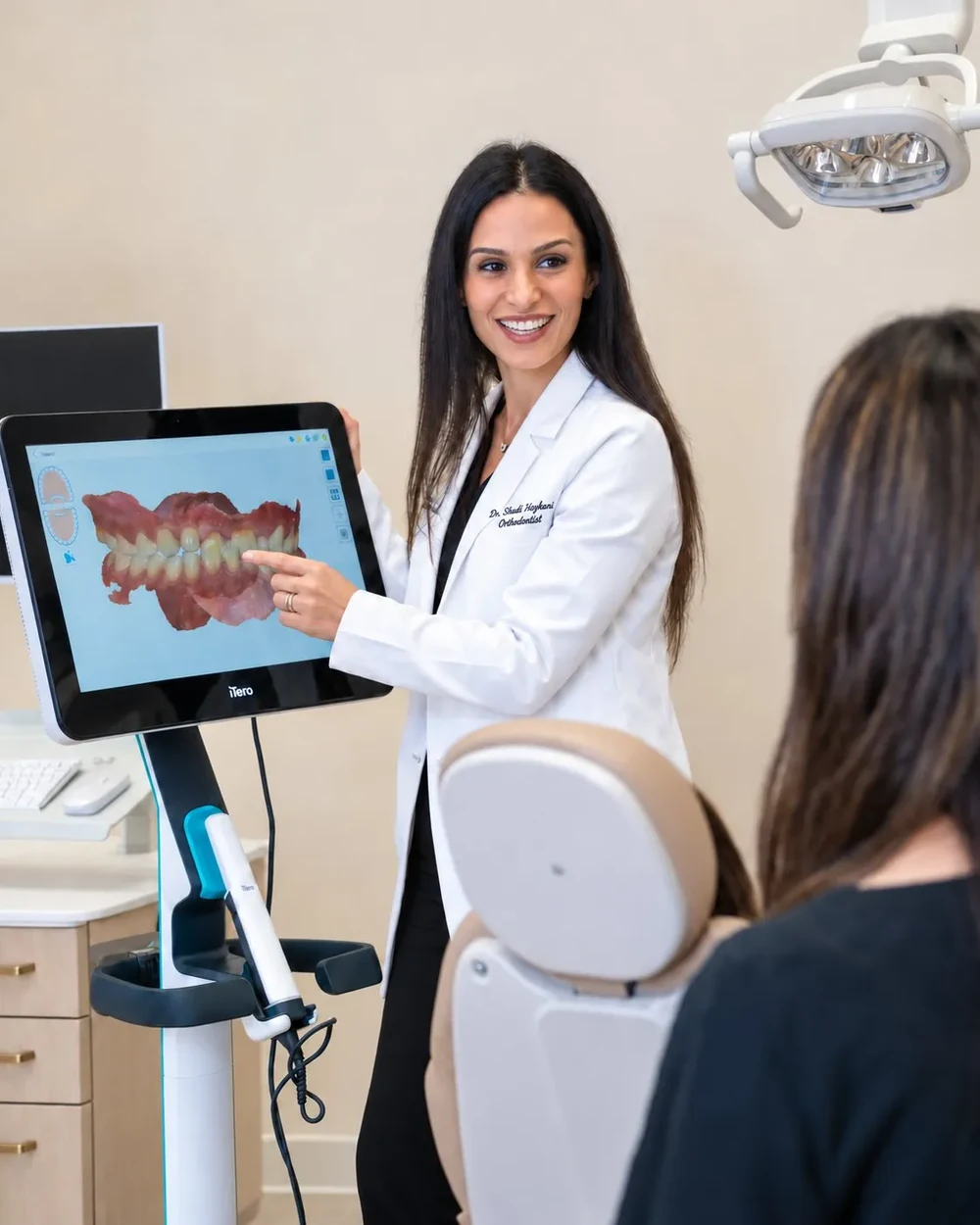
Your consultation starts with your teeth, your bite and what you would like to change. Dr. Haykani reviews your examination, digital scan and appropriate X-rays, then explains whether Invisalign suits your case.
A digital plan helps you discuss the proposed tooth movements. It is a planning preview, not a guarantee of the final result. Before you begin, you’ll know the proposed steps, estimated timing and how we’ll review your progress.
Assess and plan
Review your options and the proposed course of care.
Fit and guide
Check the first aligners and learn the wear and care routine.
Review progress
Attend planned check-ins. Change trays on the schedule you are given.
02Choosing your treatment
What can Invisalign help with?
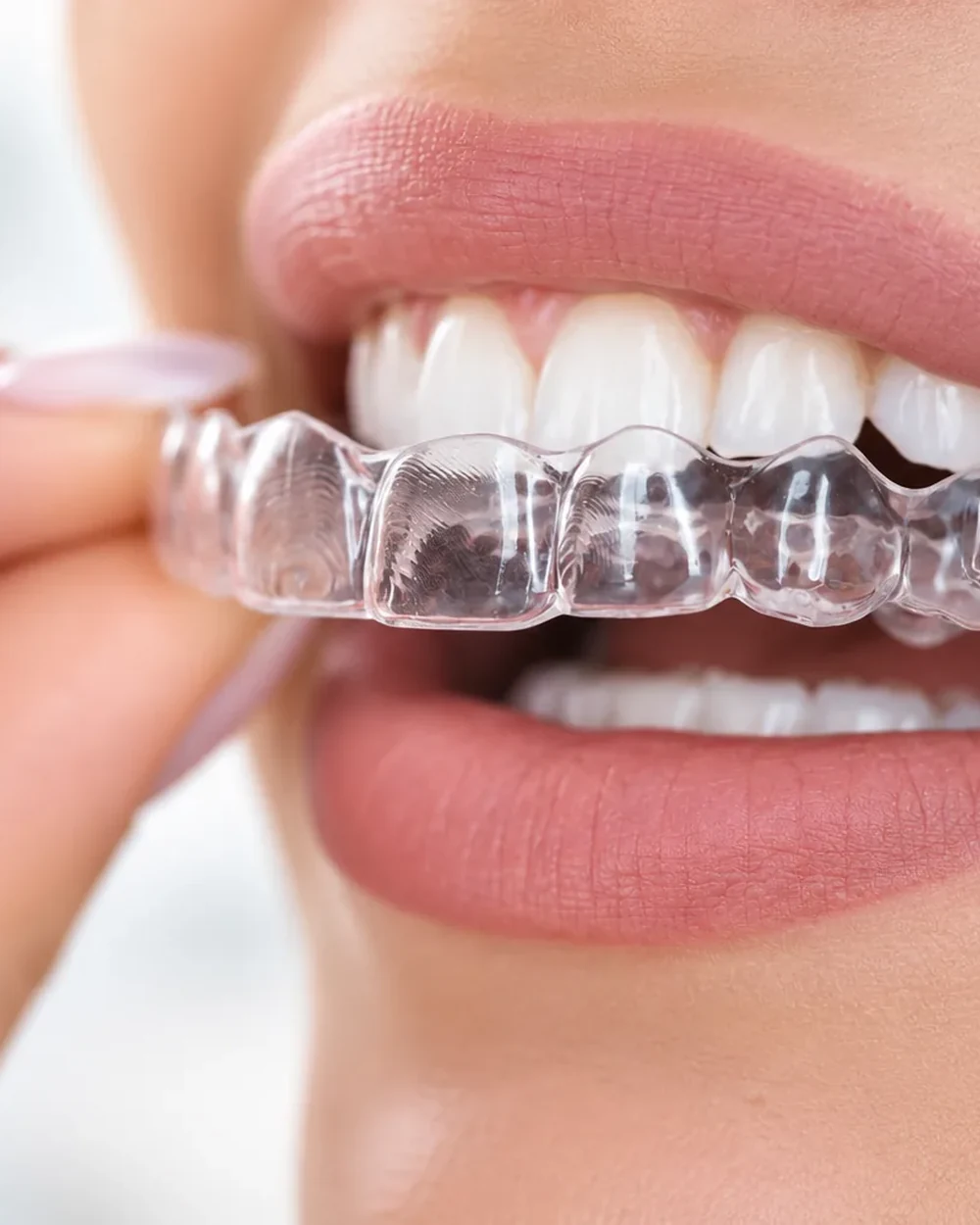
Clear aligners may be an option for crowded teeth, spaces and several bite concerns, including overbites, underbites, open bites and crossbites. The right choice depends on the movements your teeth need and the way your bite fits together.
Adults and teens
Invisalign is best for adults and teens who want a discreet, removable option and can follow the prescribed wear and cleaning routine. Dr. Haykani checks that aligners suit the tooth movements your bite needs.
When another approach may fit better
Braces can be best for patients who struggle with daily aligner wear or need tooth movements that are more predictable with fixed treatment. Dr. Haykani explains your suitable options and the trade-offs.
03Everyday care
Your everyday
aligner routine.

Wear them consistently
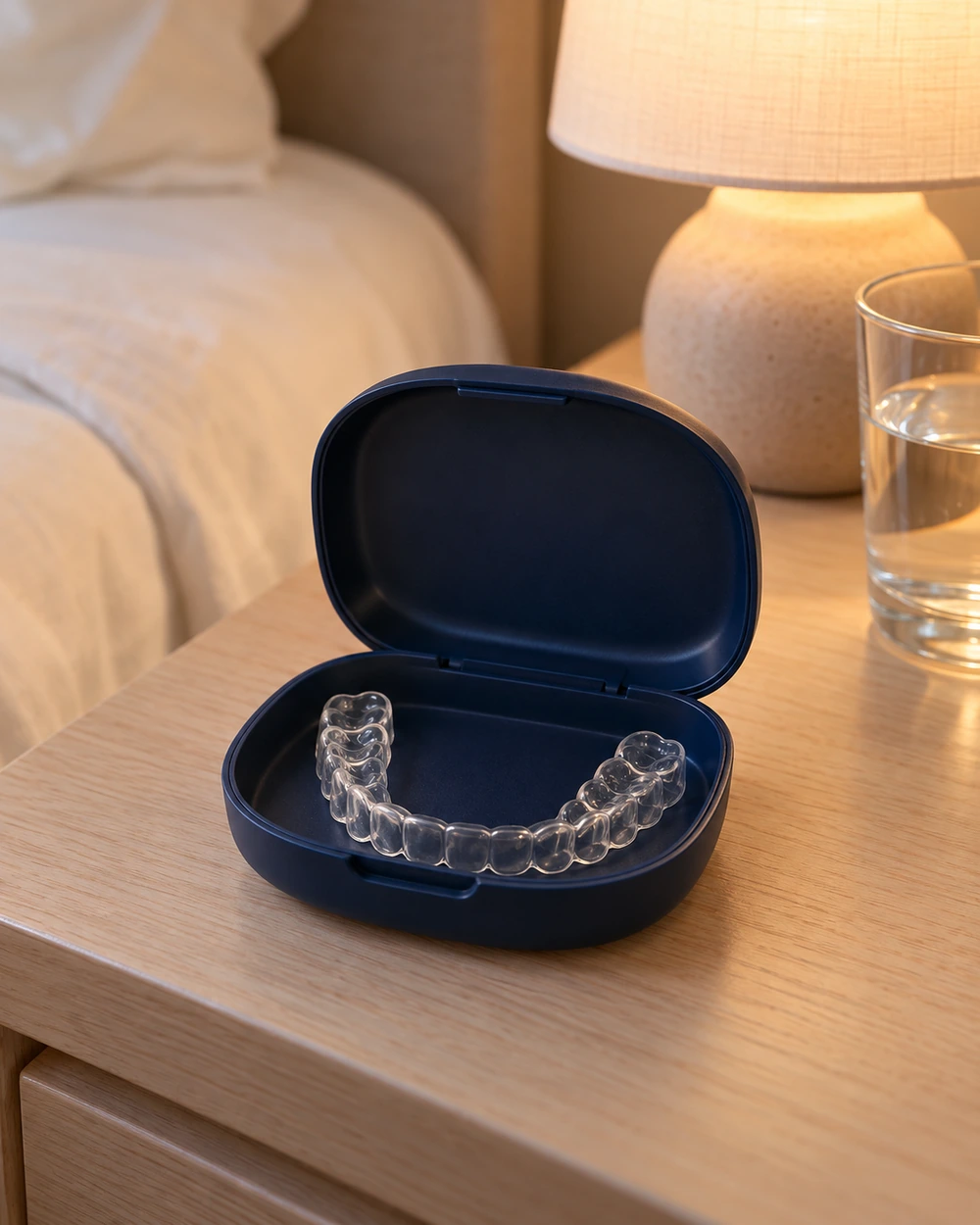
Expect to wear your aligners for about 20–22 hours a day, following Dr. Haykani’s instructions for your case. Keep them in their protective case whenever they are out.
Meals, drinks and cleaning
Remove the trays for meals and drinks other than plain water, including coffee. Clean your teeth before putting them back in, and follow the care instructions for the aligners themselves.
Coffee and Invisalign · Cleaning your aligners
Understand attachments
Some plans use small tooth-colored attachments bonded to selected teeth to help guide movement. They stay on when the trays come out and can be visible, especially near the front. Ask which teeth need them before you start.
04Finishing treatment
Invisalign treatment time,
refinements & retainers.
Treatment length depends on your case and how the planned movements progress. Dr. Haykani will give you an estimate after your assessment.
Further adjustments when needed
Some plans include refinements: another series of aligners to make further adjustments before active treatment is complete.
Understanding Invisalign refinements
Keep your result with retainers
After aligner treatment, retainers help keep teeth in their new positions. You will receive instructions for the retainer and wear schedule that suit your care. Long-term retainer wear is an important part of maintaining your smile.
Planning ahead
Invisalign cost,
insurance & financing.
Your consultation includes a written treatment fee and an explanation of your options. Start with our published Invisalign fees, then compare the proposed total—not just a monthly payment. Ask what is included for records, aligners, progress visits, refinements and initial retainers.
Our financing overview explains payment arrangements, and our insurance overview explains how benefits are checked. Your own quote and plan details determine the amount you pay; a friend’s fee or coverage is not a prediction for your case.
Before you begin
Invisalign questions,
before you begin.
The practical details patients ask about before and during clear-aligner treatment.
Does Invisalign hurt?
Mild pressure or soreness can happen, especially as you adjust to treatment. Contact the office if pain is severe, persists or gets worse rather than assuming it is part of the normal routine.
What if I lose a tray or it stops fitting?
Call or text the office for instructions. Aligners follow a planned sequence, so do not decide on a different tray yourself. Tell us whether it is lost, damaged or no longer seating normally.
Can I use dental insurance for Invisalign?
Some dental plans include orthodontic benefits that may help with Invisalign. Coverage, age limits, remaining benefits and other restrictions depend on the policy. We check your plan and show an estimate with your written treatment fee.
Will I need in-person visits?
Yes. Your treatment includes office visits to assess your progress and address your care. Virtual Care may support selected check-ins when appropriate, but does not replace every visit.
Can I whiten my teeth during Invisalign treatment?
Ask us to check the tray, product and timing first. Whitening can be coordinated with suitable Invisalign aligners or Vivera retainers, but a gel intended for another type of tray is not automatically appropriate.
What happens at the free consultation?
Dr. Haykani assesses your teeth and bite, discusses suitable treatment options, and explains the expected timing and fee. Necessary X-rays and digital scans are included. Bring your questions and insurance details so the team can help you understand the next steps.
Will I need IPR or rubber bands with Invisalign?
Some plans use interproximal reduction (IPR), which removes a small amount of enamel between selected teeth to create space, or prescribed elastics to help with bite correction. Neither is automatic. Enamel removal is permanent, so ask about the reason, amount and alternatives. If elastics are prescribed, follow your own placement and wear instructions.
Should dental work be coordinated before my aligner scan?
Yes. Tell Dr. Haykani about planned fillings, crowns or other dental care before records are taken. Aligners are made for the shape of your teeth, so the timing of restorative work matters. Your dentist and orthodontist can coordinate what needs to happen before the scan or during treatment. Keep regular dental checkups throughout care.
Who is Invisalign best for?
Invisalign is best for people who want discreet, removable orthodontic treatment and can keep up with daily wear and cleaning. Adults and teens still need an assessment of their teeth, bite and oral health before Dr. Haykani can recommend aligners.
Is Invisalign or braces best for my bite?
Neither option is best for everyone. Invisalign offers removability, while braces stay attached and may provide more predictable control for certain movements. Your diagnosis, daily routine and treatment goals matter more than the appliance's appearance. Dr. Haykani will explain the advantages and limitations of suitable options.
How does Invisalign move teeth?
Each custom aligner applies pressure to move selected teeth in small stages. You wear the trays in the prescribed order while Dr. Haykani checks your progress. The digital simulation shows the proposed plan, not a guaranteed result; treatment can be adjusted as your teeth respond.
Can Invisalign treat crowded teeth or gaps?
Invisalign can treat many cases of crowding and spacing. The amount of movement, available space and fit of your bite determine whether aligners are suitable. Some plans need attachments, IPR or other measures; a small-looking gap does not necessarily mean the treatment will be simple.
Can Invisalign fix an overbite?
Invisalign can correct some excessive overbites, where the upper front teeth overlap the lower teeth too much vertically. The cause and severity matter. Dr. Haykani assesses the teeth and jaw relationship before explaining whether aligners, additional appliances or another approach would be appropriate.
Can Invisalign fix an underbite or crossbite?
Invisalign may help when planned tooth movement can address the bite problem. A difference in jaw size or position can require a different or combined approach. Dr. Haykani checks the underlying cause rather than assuming every underbite or crossbite can be corrected with aligners alone.
Can I get Invisalign if my teeth shifted after braces?
Yes, clear aligners may be an option for teeth that have moved after previous orthodontic treatment. The new plan depends on your current bite, oral health and amount of movement. Bring your old retainer to the consultation, but do not force it onto teeth if it no longer fits.
How long does Invisalign treatment take?
There is no single timeline for every Invisalign case. The planned movements, daily wear and need for further adjustments all affect treatment length. Dr. Haykani provides an estimate after your assessment and updates it as treatment progresses. Invisalign is not automatically faster than braces.
How much does Invisalign cost in Valencia?
Your fee depends on the treatment plan, not just the Invisalign name. Start with our published fees and request a written quote at your consultation. Ask what is included for progress visits, refinements and retainers. Invisalign is not automatically more or less expensive than braces; compare the proposed total and your insurance benefits.
How many hours a day should I wear Invisalign?
Expect about 20–22 hours of wear each day, following Dr. Haykani's instructions for your case. That includes wearing your aligners while sleeping. Plan meals, drinks and cleaning around the prescribed routine; wearing aligners only at night is not the same treatment schedule.
How often do I change to the next aligner?
Follow your prescribed change schedule. Some plans use weekly changes and others use longer intervals. Do not move ahead just because a tray feels comfortable. If an aligner is not fitting properly or you have fallen behind on wear, contact the office before changing trays.
Can I eat or drink coffee with Invisalign?
Remove your aligners for meals and drinks other than plain water, including coffee. Clean your teeth before putting the trays back in. Taking aligners out lets you eat without working around fixed brackets, but repeated snacks or long drinks can make the daily wear target harder to meet.
How should I clean and store my Invisalign aligners?
Clean your aligners daily using the method and products recommended for your trays. A soft brush and lukewarm water can help; avoid hot water, which can distort the plastic. Keep aligners in their protective case when they are out, rather than wrapping them in a napkin.
Will Invisalign affect my speech?
Some people notice a temporary lisp or other speech change when they first wear aligners. Adjustment varies, so do not count on a particular number of days. Tell the office if speech difficulties persist or the trays seem to fit incorrectly.
Are Invisalign attachments noticeable?
Attachments are small, tooth-colored shapes bonded to selected teeth to help the aligners guide movement. They can be visible, especially on front teeth, and stay in place when the trays are removed. Ask which teeth need attachments so you understand the expected appearance before treatment begins.
What are Invisalign refinements?
Refinements are additional aligners used when further adjustments are needed before active treatment is finished. Dr. Haykani checks your progress before deciding whether another series is appropriate. Ask how refinements affect your estimated timeline and what your written treatment fee includes.
Will I need a retainer after Invisalign?
Yes. Retainers help maintain tooth positions after active aligner treatment; teeth can continue to shift over time. Dr. Haykani recommends a retainer and wear schedule for your needs. Long-term retainer wear is part of protecting your result, not an optional substitute for finishing treatment.
Can I have Invisalign with crowns or dental implants?
Existing dental work needs to be considered in your treatment plan. Tell Dr. Haykani about crowns, bridges and implants, because they can affect the movements and aligner fit. Dental implants do not move with orthodontic forces. Your dentist and orthodontist may need to coordinate care before treatment starts.
Can I play sports during Invisalign treatment?
You can usually continue sports during orthodontic treatment. Ask the office about a suitable protective mouthguard and when to remove your aligners for your activity; do not assume aligners provide the protection your sport requires. Plan practice and game time around your prescribed daily wear.
What should I do if I fall behind on aligner wear?
Let the office know rather than trying to catch up by skipping trays or changing them early. Wearing aligners less than prescribed can affect fit and progress. Dr. Haykani can assess where you are in the plan and explain the next step for your case.
Your next step
Let’s talk about
your smile.
Visit SC Orthodontics in Valencia, serving patients throughout Santa Clarita. At your free consultation, we’ll look at your teeth and bite, listen to your goals and help you understand your treatment options.
- Call or text
- (661) 425-0559
- Visit
- 25385 Wayne Mills Pl
Valencia, CA 91355 - Hours
- Sunday–Friday, 8 AM–7 PM
Saturday closed - Find us
- Hours & directions
Invisalign near you
Directions and timing from your part of the valley.
Also consider