
Open weekdays, Sundays & evenings
(661) 425-0559 Request appointment
SC Orthodontics Book online
Smile Gallery First Visit
Call or text, same-day reply(661) 425-0559
Book free consultation

InBrace Lingual Braces

Behind-the-teeth braces. Discreet treatment without removable trays.

InBrace uses brackets and a custom Smartwire behind the teeth to guide tooth movement. SC Orthodontics offers InBrace in Valencia, California, for patients across Santa Clarita who want fixed treatment with less visible hardware. Dr. Shadi Haykani checks your bite, oral health and daily routine before recommending the right approach.
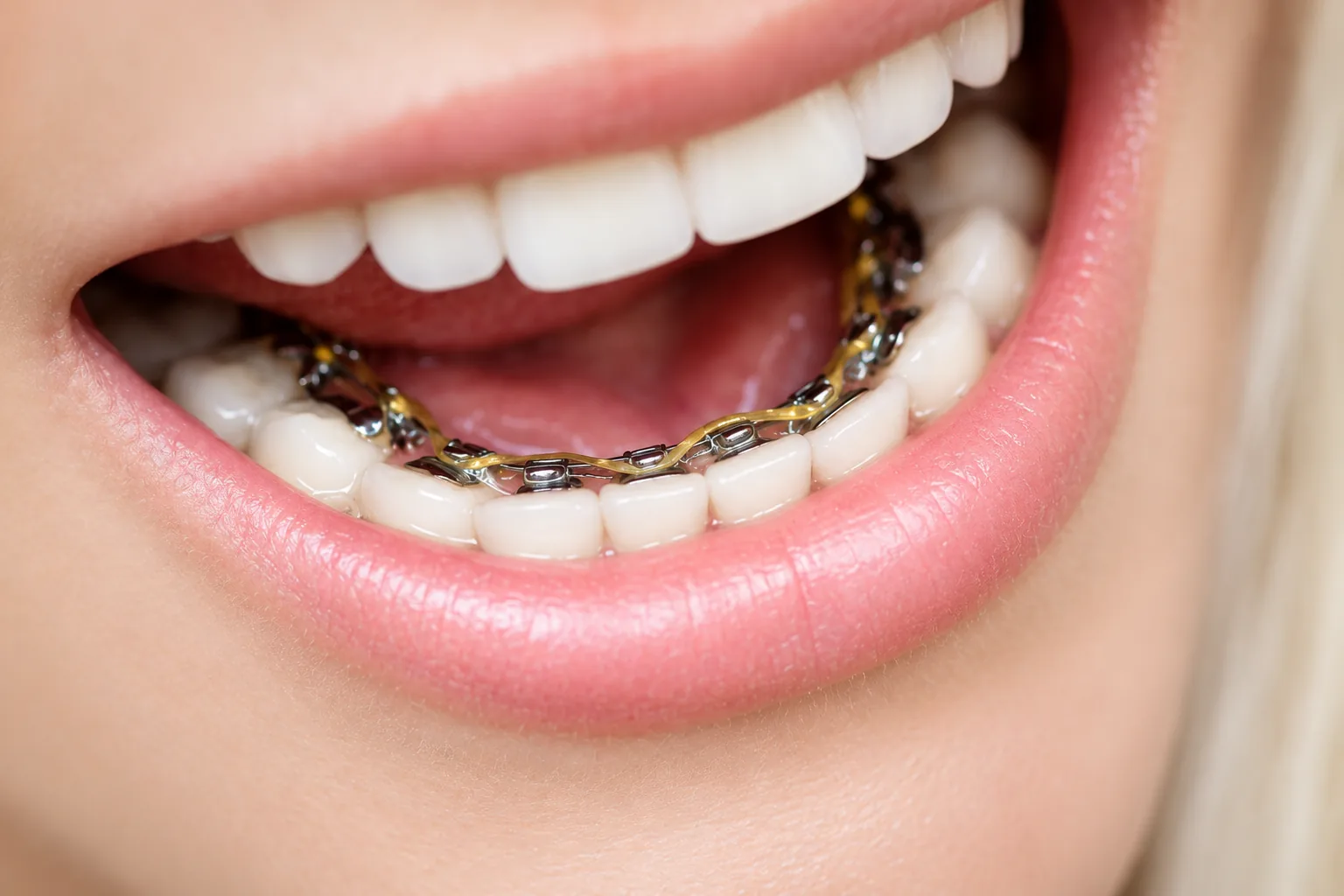
InBrace lingual braces placed behind the teeth
Treatment time
Individual estimate
Visibility
Behind the teeth
Visits
Regular monitoring
Appliance
Custom Smartwire

How it works here

Four steps.
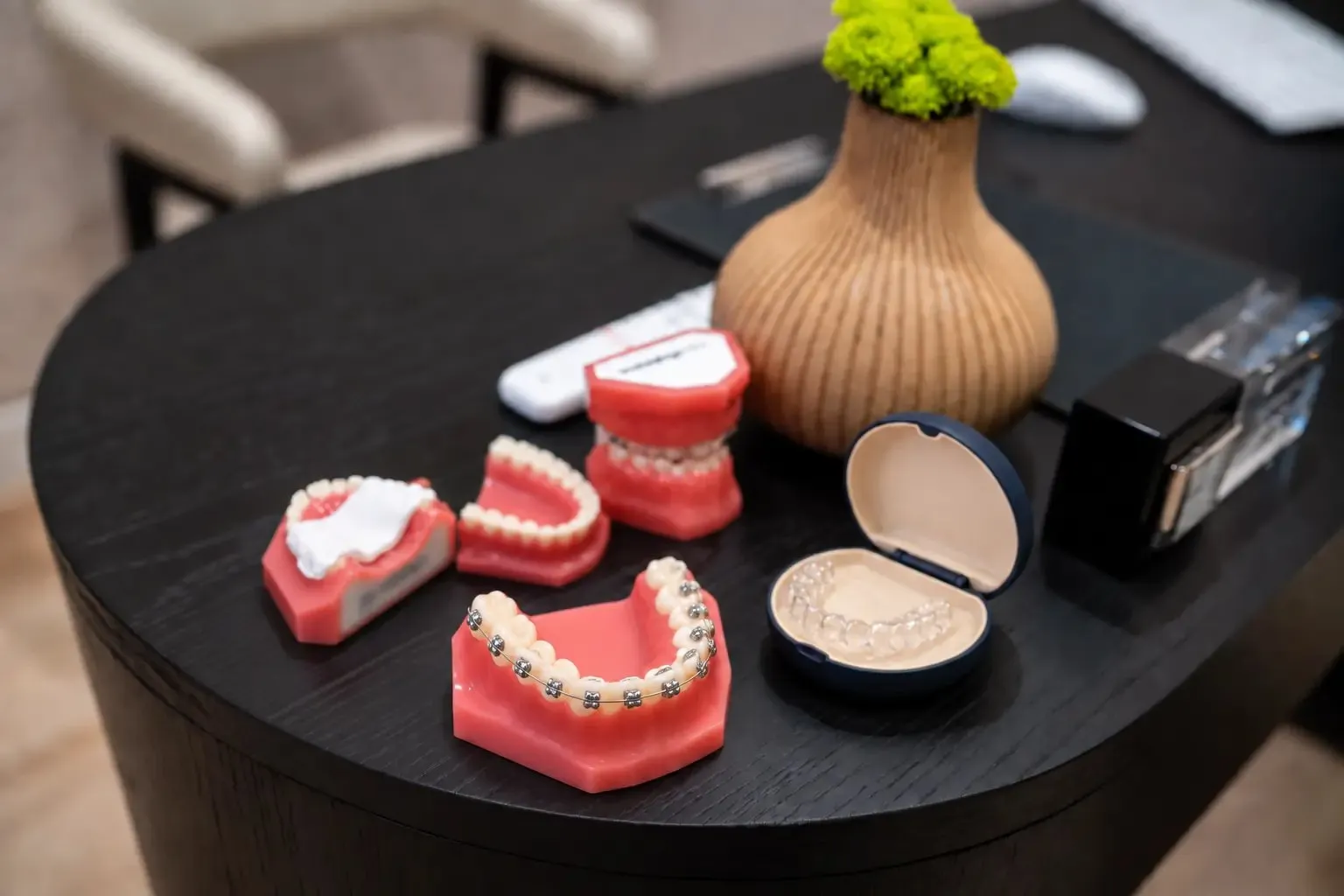
Braces and aligner models on the consultation table at SC Orthodontics
  1. 01

    Examination and records

    At your free consultation, Dr. Haykani reviews your goals, teeth and bite. Digital scans and appropriate X-rays help establish which treatments fit your needs.

  2. 02

    Your InBrace plan

    The digital plan guides the custom Smartwire design. You discuss the proposed movements, estimated timing, fee and alternatives before treatment begins.

  3. 03

    Brackets behind the teeth

    The brackets are bonded to the tongue-facing surfaces and the wire is fitted. The team explains cleaning, food precautions and what to expect as you adapt.

  4. 04

    Progress checks and retainers

    Regular visits monitor your teeth, bite and appliance. When active treatment is complete, a retainer plan helps maintain the result.

Best for

  • Teens and adults who want braces less visible from the front
  • Patients who prefer fixed treatment to removable trays
  • People prepared to clean carefully behind their teeth
  • Patients willing to plan for tongue and speech adjustment

How Dr. Haykani decides

InBrace is best for patients who want discreet fixed treatment and can manage tongue-side care. Dr. Haykani, our Santa Clarita orthodontist, checks whether it fits your bite and oral health, then compares it with aligners or front-facing braces when those better match your needs.

Compare every option

What it costs

Your treatment plan. Your complete quote.

  • A fee based on your individual InBrace treatment plan
  • Written details of visits, repairs and any separate charges
  • A clear explanation of retainers and follow-up care
  • Insurance estimates and payment-plan terms explained
Fees & Financing

Common questions

InBrace, answered.

From choosing InBrace to caring for your braces, here is what to know. For personal advice, call or text the office.

  • InBrace is a lingual-braces system: the brackets and wire sit on the tongue-facing side of the teeth rather than the front. Its custom Smartwire is digitally designed around a planned tooth arrangement and applies pressure to guide movement. The appliance stays attached while your orthodontist checks the progress and bite.

  • Yes. SC Orthodontics uses InBrace and is accepting new behind-the-teeth braces cases at our Valencia, California office, serving Santa Clarita. Dr. Shadi Haykani evaluates whether the treatment fits your bite, oral health and priorities before recommending a plan. A free consultation is the place to compare InBrace with the other suitable options.

  • InBrace is best for teens and adults who want a discreet smile during treatment and prefer fixed braces to removable trays. It is especially worth considering if remembering aligner wear would be difficult. The right candidate is also prepared for careful tongue-side cleaning, regular visits and a possible speech or comfort adjustment.

  • No. Lingual describes where braces are placed; InBrace is a particular system within that category. Its custom wire design differs from other behind-the-teeth appliances. Cleaning methods, adjustments and treatment planning can vary between systems, so advice for another lingual brand should not automatically be applied to your InBrace appliance.

  • SC Orthodontics uses InBrace and is accepting new cases. Separately, InSmile’s published company history says the original InBrace company ceased operations in April 2025 and its technology was later relaunched through the independent company InSmile Braces. These names are not interchangeable. At your consultation, we can discuss the appliance and care plan proposed for you.

  • The brackets and wire are positioned behind the teeth, making them less noticeable from the front than front-facing braces. They may still be seen when you open your mouth widely or from some angles. The advantage is discreet placement, not a promise that nobody will ever notice the appliance.

  • InBrace stays attached behind your teeth; Invisalign uses removable clear aligners. Aligners come out for meals and cleaning but must be worn as prescribed. InBrace avoids keeping track of tray wear, while aligners provide easier access for brushing. Your bite, cleaning routine and preference for fixed or removable treatment help determine the better fit.

  • InBrace places the appliance behind the teeth. Ceramic and metal braces sit on the front, where they are easier to see and access for cleaning. Tongue contact and speech adjustment deserve particular attention with lingual braces. Dr. Haykani compares how the recommended options would achieve your tooth and bite movements, not just their appearance.

  • InBrace can be considered for a range of tooth-alignment and bite concerns, but having crowding, gaps or an overbite does not by itself establish suitability. Dr. Haykani evaluates the movements needed, how your teeth meet and your oral health. Some cases need another appliance or a combined treatment approach.

  • An alternative may be preferable when the required movements or bite make a tongue-side appliance unsuitable, or when cleaning and tongue contact would be difficult to manage. Clear aligners, ceramic braces or other fixed systems may suit different priorities. The recommendation should explain both the clinical reasons and the everyday responsibilities.

  • They can be suitable for some teens who want less visible fixed treatment. Readiness depends on dental development, the bite and the ability to clean around the appliance and follow instructions. Younger children who need growth guidance may need a different approach; age alone does not determine the right treatment.

  • Your consultation with Dr. Haykani starts with your goals, dental history and an examination. Digital scans and appropriate X-rays help assess the teeth and bite. You can compare suitable options and discuss the estimated timing, daily care and fee. If you review before-and-after examples, ask how the starting bite, treatment and follow-up compare with yours; another patient’s result is not a guarantee. Reviews can describe an experience, but cannot establish which appliance fits your bite.

  • Records inform a digital treatment plan and the custom wire design. Once your appliance is ready, the brackets are bonded behind the teeth and the wire is fitted. You receive instructions for cleaning and adapting to the appliance. The exact preparation and placement appointments are explained for your plan rather than assumed from a standard timetable.

  • Treatment length depends on the correction needed and how your teeth and bite respond. Oral health, appointment attendance and any additional treatment can affect the schedule. Dr. Haykani gives an individual estimate after examining you. A custom or hidden appliance does not guarantee a faster finish than other appropriate options.

  • InBrace still needs regular in-person monitoring. Visits check the tooth movement, bite, appliance and health of the mouth, with adjustments as needed. The spacing depends on your treatment stage and clinical needs. A pre-programmed wire does not remove the need for visits or guarantee fewer appointments.

  • No. InBrace is fixed to the teeth and is not designed for you to remove. You eat with it in place and follow the recommended food precautions. If being able to remove your appliance is a priority, discuss whether clear aligners would suit your treatment goals before you start.

  • Tenderness and irritation can occur when braces are fitted or adjusted. With InBrace, the tongue may need time to get used to the appliance behind the teeth. Comfort varies; it is not a pain-free treatment. Contact the office if discomfort is severe, is getting worse or is not improving as expected.

  • Speech can change as the tongue adapts to the appliance. The amount and duration vary, so a particular recovery date cannot be promised. Tell Dr. Haykani if your work, singing or instrument playing places special demands on your mouth or speech, so those priorities can be considered before treatment.

  • Avoid foods that could bend wires or loosen brackets, including very hard, sticky or chewy foods. Cut firm foods into smaller pieces rather than biting directly into them, and choose softer foods when your teeth are tender. Follow the instructions supplied for your appliance; hidden braces still need protection while eating.

  • Brush around the brackets and wire, along the gumline and on both sides of every tooth. The team will demonstrate flossing and interdental cleaning for your appliance, including any tools you need. Access between the teeth does not replace cleaning around the brackets. Keep regular dental checkups and cleanings throughout treatment.

  • Yes. Orthodontic appointments monitor tooth movement and your appliance; they do not replace dental exams and professional cleanings. Cavities and gum problems may need care before or during orthodontic treatment. Tell both teams about changes in your mouth, and follow the cleaning schedule recommended for your dental health.

  • Call or text SC Orthodontics at (661) 425-0559 and describe what happened. Do not wait for the next scheduled visit or try to reshape the appliance yourself. Orthodontic wax may protect an area that rubs while you get advice. Difficulty breathing or swallowing, uncontrolled bleeding or a serious injury needs emergency care.

  • Your InBrace fee is based on your treatment plan rather than a single price for every patient. At the free consultation, ask for the total fee and a written explanation of what is included, such as visits, repairs and retainers. Compare the full plan and any separate charges, not only a monthly payment.

  • Coverage depends on your policy’s orthodontic benefits, which may include age limits or a lifetime maximum. A discreet appliance is not automatically covered or excluded just because of its appearance. The team can review your information and discuss an estimate, but the insurer determines benefits under the plan.

  • SC Orthodontics offers payment plans. The team can explain the terms for your InBrace plan, including the initial payment, payment schedule and total amount you would pay. Reviewing those details alongside any estimated insurance contribution helps you compare options without treating an advertised monthly figure as your personal quote.

  • Yes, but discuss the sport and an appropriate mouthguard with your orthodontist. Behind-the-teeth braces do not eliminate the need to protect your teeth during contact or collision sports. The mouthguard should work with the appliance and the planned tooth movement; do not assume your previous mouthguard will still fit.

  • Yes. After active treatment, retainers help maintain the tooth positions you achieved. Follow the wear schedule and care instructions provided for your retainers, because teeth can shift over time. Before treatment begins, ask which retainers are included and how replacement, repair and follow-up visits are handled.

  • Contact your treating orthodontist about your current plan and any immediate concerns. If you want SC Orthodontics to assess the situation, contact our office and explain the appliance and treatment stage. A transfer requires review of records and an examination; acceptance, replacement components, compatibility and fees are not automatic.

  • Share your dental and medical history, any known material allergies, current dental work, oral-health concerns and previous orthodontic treatment. Mention speaking, performance or scheduling needs that could affect your choice. Bringing those details to the consultation helps the discussion focus on the plan that fits you rather than on a brand alone.

  • Request your free consultation through the website, or call or text (661) 425-0559. SC Orthodontics is in Valencia and serves patients across Santa Clarita. Ask about Sunday and evening appointments, and bring your questions about InBrace, alternatives, the estimated treatment time and the full fee.

InBrace near you

Visit our Valencia office from your part of Santa Clarita.

Next step

Come in with questions. Leave with a clear plan.

Book a free consultation with Dr. Shadi Haykani in Valencia to compare InBrace with the other options for your bite. Ask about Sunday and evening appointments, your estimated treatment time and the full fee.

Book free consultationSundays & evenings available