
What happens at a free orthodontic consultation?
Plan for about an hour for the visit. Bring your questions and leave with an explanation of your options and a written plan.
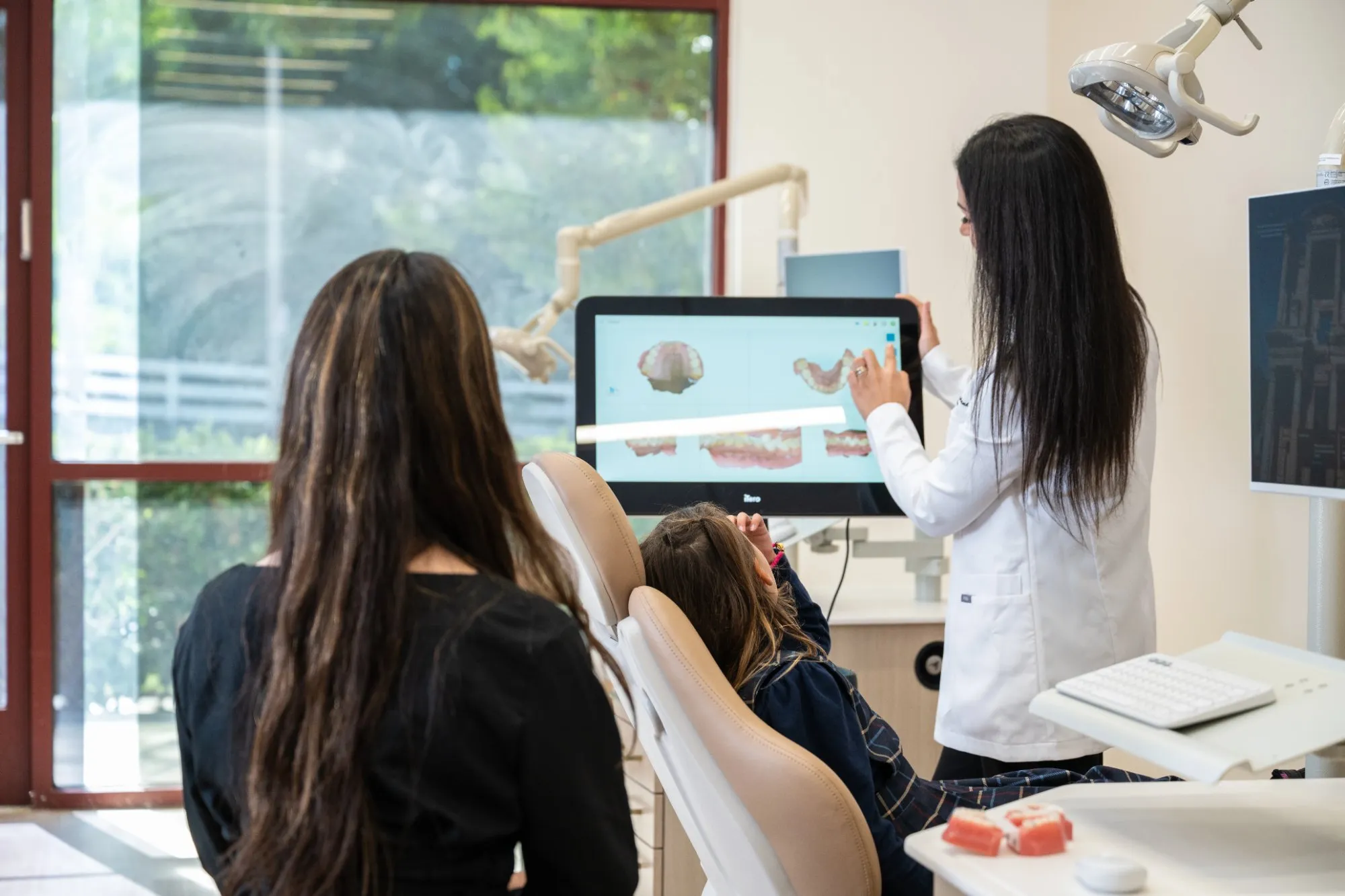
A first orthodontic visit should help you understand what is happening with your teeth and bite. You do not need to arrive having chosen braces or aligners. Here is how the consultation works at SC Orthodontics in Valencia.
Before the visit: what to bring
- Your insurance card, so benefits can be checked.
- Recent X-rays or other dental records, if you have them.
- Any retainer or other appliance you currently use.
- Your questions and any existing treatment recommendation you want to discuss.
Let the team know if dental visits make you anxious or if there is something that would help you feel more comfortable. You can ask for an explanation before each part of the visit.
If nerves are making it hard to attend, our guide to planning an appointment when you feel anxious offers practical questions and ways to describe the support you need.
Bring any diagnosed material allergies and previous test results into the conversation. Our guide to nickel allergy and braces can help you prepare those questions.
Records and an examination
The consultation includes the necessary X-rays and digital scans. Existing records are reviewed so the team can decide what additional information is needed. A scan shows the tooth surfaces, while X-rays provide information that is not visible from the outside.
Our guide to what orthodontic X-rays and scans show explains the different images and how existing records fit into the decision.
If a recommendation mentions shortened roots, our guide to root resorption and orthodontic monitoring can help you prepare questions about the findings and next steps.
The evaluation considers alignment, the way the teeth meet, growth when relevant, and your goals. These findings guide the recommendation; a digital image on its own does not replace the examination.
Understanding your options
Dr. Haykani explains the findings and suitable approaches. Ask what each option is intended to change, what its limitations are, and what the daily routine would involve. If treatment is not needed yet, you should understand what to watch and when to return.
If you play a wind instrument, bring your rehearsal and performance questions. Our musician’s guide to braces can help you prepare.
For children, complimentary observation visits can continue until the timing is right. If an existing retainer is still suitable, the visit may simply confirm how to keep using it.
Your plan, in writing
You receive the recommended treatment, expected timeline, exact fee, and an insurance estimate. Ask what the fee includes and whether any related care would be quoted separately. Our fees and financing page explains current treatment fees and in-house 0% payment plans. Our guide to braces treatment time explains how to interpret an estimate and what can change it.
Deciding when to start
You can take the plan home and think about it. Some patients can start the same day when clinically appropriate and appointments allow, but a consultation does not obligate you to begin treatment.
Second opinions are complimentary. Bring the other plan and ask which recommendations are similar, where they differ, and why. Book a free consultation or check hours and directions before your visit.
More notes