
Notes from the Practice / Treatment options
Do I need jaw surgery, or will braces work?
A bite can involve the teeth, the jaws, or both. Understanding the difference is the first step toward a treatment plan you can feel comfortable choosing.
SC OrthodonticsOctober 18, 20264 min read

Braces and aligners move teeth. Jaw surgery changes the position of the jawbones. An examination helps determine whether orthodontics alone can meet your goals or whether a coordinated surgical consultation is worth considering.
Hearing that jaw surgery might be part of your treatment can bring up a very reasonable question: could braces do the job on their own?
The answer starts with what is causing the bite problem. Braces and clear aligners move teeth. Corrective jaw surgery, also called orthognathic surgery, changes the position of the jawbones. Some people need orthodontics alone; others may benefit from a coordinated orthodontic and surgical plan. The American Association of Orthodontists explains this distinction.
A tooth problem, a jaw problem, or both
Teeth can be crowded, spaced apart, or angled in ways that affect how they meet. The upper and lower jaws can also sit in a relationship that makes a comfortable bite difficult. These issues sometimes occur together.
An underbite, open bite, or uneven jaw relationship is a reason for an assessment, not a diagnosis of needing surgery. Your orthodontist considers your bite, jaw growth, dental health, and goals before discussing the options. An examination and appropriate records provide information that a photograph of your smile alone cannot.
If your lower front teeth sit ahead of your upper teeth, our underbite treatment guide explains how tooth position, remaining growth, and treatment goals shape the choices.
For some people, moving the teeth can provide a suitable result. For others, the limits of orthodontics alone need to be explained clearly. A surgical consultation can help you understand the alternatives without committing you to an operation. Dorset County Hospital’s patient guide describes that assessment and shared decision-making process.
Two specialists, with different roles
Surgical orthodontics is a team approach. Your orthodontist plans and manages tooth movement. An oral and maxillofacial surgeon evaluates the surgical options, explains the procedure and its risks, and performs the operation.
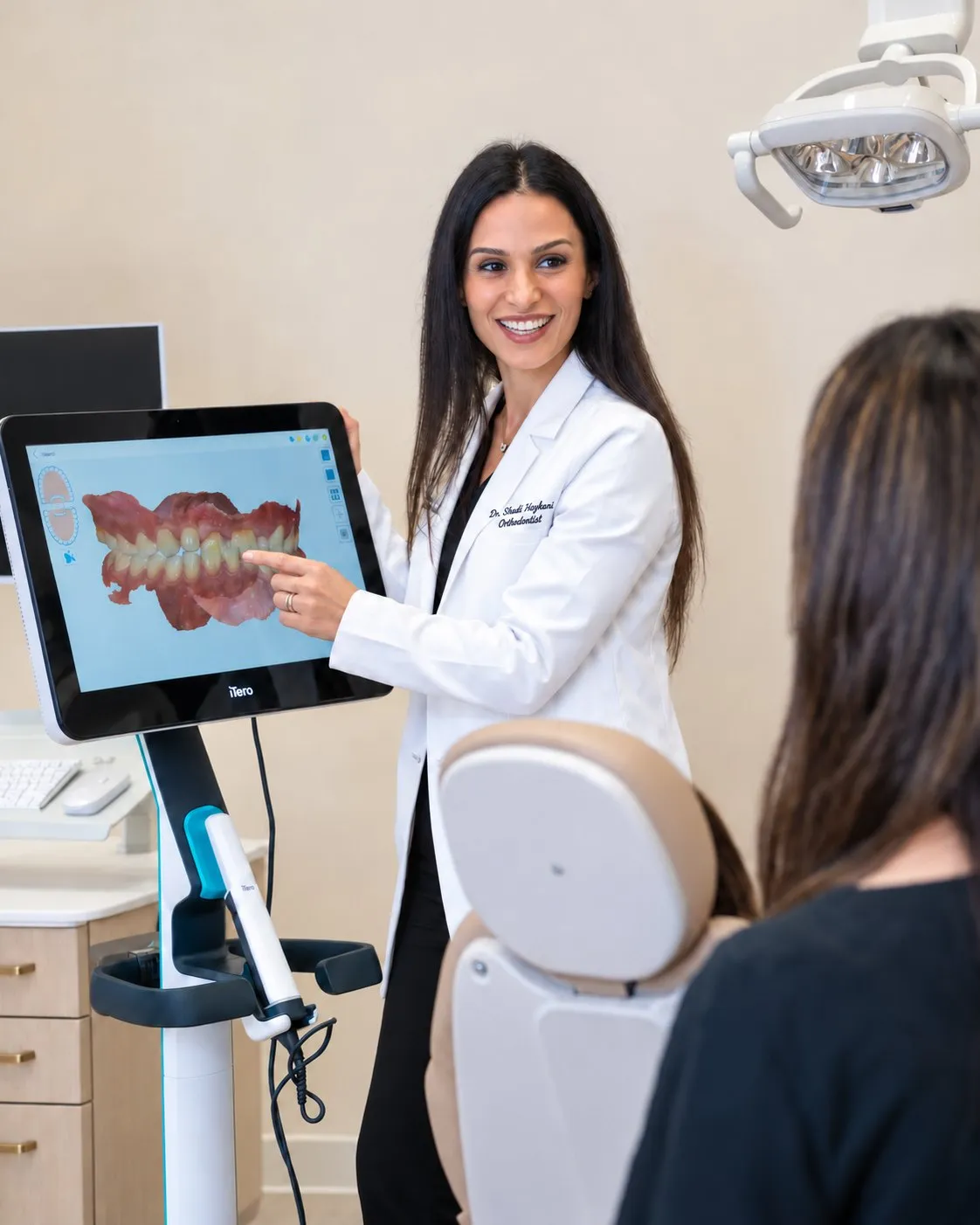
At SC Orthodontics in Valencia, Dr. Shadi Haykani manages the orthodontic care before and after jaw surgery and coordinates with your oral surgeon. The surgery itself is performed by the surgeon. Our jaw surgery orthodontics page explains how that coordination works here.
Why braces usually come first
It can seem surprising to have braces before the jaw position is corrected. The purpose is to prepare the teeth to meet in the planned jaw relationship. Orthodontic treatment commonly continues after surgery to refine the bite.
The sequence and timing depend on your case. For growth-related jaw differences, surgery is generally planned after jaw growth is complete. Your orthodontist and surgeon should explain the proposed stages before treatment begins. You can read more about the usual sequence in the AAO’s surgical orthodontics guide.
The questions worth bringing
Ask what orthodontics alone could achieve, what a surgical plan would change, and which trade-offs matter for your bite. Ask who will coordinate the appointments and how preparation, recovery, and finishing may fit around your life.
Jaw surgery is a significant procedure. Recovery and risks vary by operation and individual health. These can include bleeding, infection, and altered feeling in the lip or chin that may persist. Your surgeon should explain the risks relevant to you, the expected recovery, and the alternatives. Cambridge University Hospitals provides a detailed patient overview.
It is also worth asking for separate estimates for the orthodontic and surgical portions of care. At SC Orthodontics, the orthodontic fee is separate from surgical fees. Our fees and financing information is a starting point for that conversation.
Start with an explanation
If you are looking into surgical orthodontics in Valencia or Santa Clarita, you do not need to arrive with the answer. Bring your questions and any recent records your dentist or another specialist has provided.
A free consultation at SC Orthodontics is an opportunity to understand your bite and discuss the next step. Sunday and evening appointments are available; the office is closed on Saturdays. See our hours and directions or request a consultation.
More notes