
Overbite: what it is, what causes it and how it is treated
The two kinds of overbite, what causes them, when a child's bite should be checked, and the treatments that correct an overbite at different ages.
SC OrthodonticsNovember 19, 20264 min read
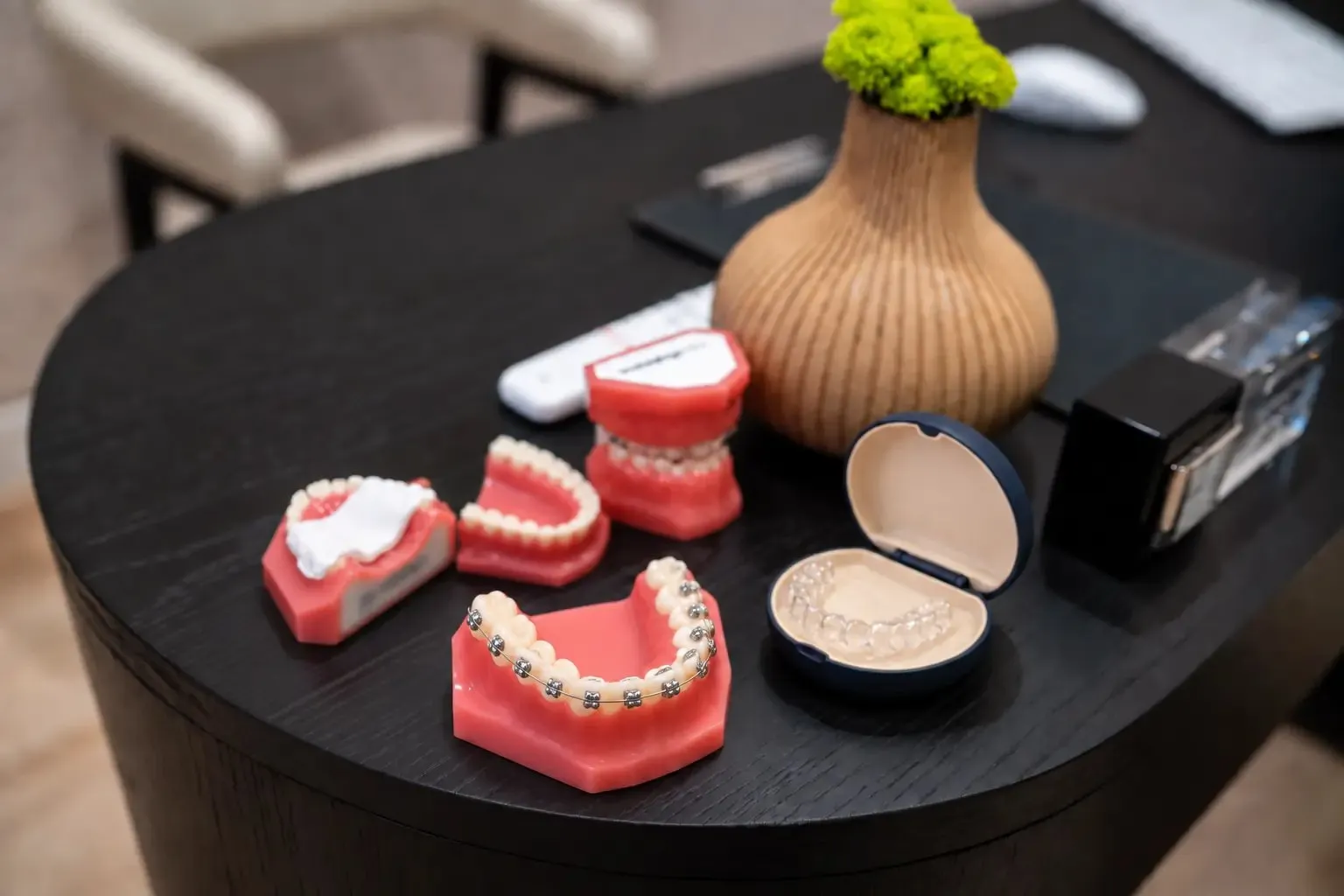
An overbite is when the upper front teeth cover too much of the lower front teeth or sit too far in front of them. Orthodontists treat these as two measurements: too much vertical overlap is a deep bite, and upper front teeth that stick out are measured as overjet and called a Class II bite. A small overlap is normal, and one study took 2 to 4 mm as the normal range. An overbite can come from the teeth, the jaws or both, and the cause decides whether braces, clear aligners, an appliance that works with a child’s growth or, for some adults, jaw surgery is the right fix.
- An overbite means the upper front teeth cover too much of the lower ones or sit too far in front of them.
- A small overlap is normal, and one study took 2 to 4 mm as the normal range.
- Genes, the shape and position of the jaws and sucking habits that last into the adult teeth can all play a part.
- Braces, clear aligners and, in growing children, functional appliances can all correct an overbite, depending on its cause.
What is an overbite?
The word covers two things. In everyday speech an overbite can mean upper front teeth that cover too much of the lower ones, or upper front teeth that stick out too far past them, as our guide to overbite vs. underbite explains.
Orthodontists measure each one. A deep bite is excessive vertical overlap of the lower front teeth. The front-to-back gap is called overjet, and upper front teeth that sit too far ahead are a Class II bite. Our article on overbite vs. overjet explains the two measurements in more detail.
Both are common. A 2018 review of 53 studies from around the world found a deep overbite in 21.98% of people with all their adult teeth and a Class II bite in 19.56%.
What causes an overbite?
Usually more than one thing. The teeth can be tipped or crowded into position, the jaws can be out of line with each other, or both.
- Genes. A 2021 analysis of gene studies linked 19 genes to skeletal Class II bites, the kind that comes from the jaws.
- The jaws. In a skeletal Class II bite the upper jaw tends to sit forward and the lower jaw back, and it is common in the years when children are changing to their adult teeth.
- Sucking habits. Thumb, finger and pacifier sucking are common in young children, but a habit that continues while the adult teeth come in can contribute to an abnormal bite, and a 2024 review linked persistent habits with higher chances of a bite problem. Our guide to thumb sucking and teeth covers what parents can do.
When should an overbite be checked?
In childhood, as soon as it is noticed. The American Association of Orthodontists recommends an orthodontic evaluation by age 7 or when a problem is first noticed, whichever comes first.
Upper front teeth that stick out are more easily injured. In a study of 900 children with a mix of baby and adult teeth, increased overjet was the Class II feature linked with injury to the upper front teeth. A Cochrane review found that early treatment in two phases reduced these injuries compared with one course of treatment in adolescence, and no other advantages of starting early. Our article on Phase 1 and Phase 2 orthodontics explains the two approaches.
Bite problems can also make eating and speaking harder. A review for family physicians lists difficulties with eating and speech, and premature wear of the teeth, among the effects of poor alignment.
How is an overbite treated?
The cause and the age decide. Orthodontic care uses devices such as braces to correct problems with the bite, and in young children it may guide the growth of the jaws.
- Braces move the teeth into a better position and are used for deep bites and for upper teeth that stick out. Our metal braces page explains how they work.
- Clear aligners can correct mild to moderate deep bites that come from the teeth, while their results when the jaws are the cause remain uncertain. Our Invisalign page describes aligner treatment at our office.
- Functional appliances, worn while a child is still growing, work with that growth. A Cochrane review found that treatment in adolescence with functional appliances reduced the prominence of upper front teeth compared with no treatment, on low-quality evidence.
- Jaw surgery, combined with orthodontics, is for some adults whose jaws cause the problem. Our page on surgical orthodontics explains how the two are planned together.
Exercises are not on that list. Mewing, for example, has not been shown to reshape the face or replace orthodontic treatment.
Retainers hold the result afterward. Without a phase of retention after treatment, teeth tend to drift back toward where they started.
How long does it take to fix an overbite?
On average, about two years, according to the review for family physicians. How long yours takes depends on its cause and the treatment, and at a free consultation we explain the diagnosis, the recommended treatment and its estimated timing before you decide.
Clear aligners can need extra steps for a deep bite. A 2025 review of aligner studies found that the correction they achieved often fell short of what was planned, which makes overcorrection or refinements necessary.
Overbite in children and adults
For children, timing matters because the jaws are still growing, and treatment can be planned around that growth. Our guide to choosing a children’s orthodontist covers the first visits.
For adults, the jaws have finished growing, so treatment moves the teeth within them or, for a large jaw difference, combines orthodontics with surgery. Most orthodontic patients are children, but adults get braces too, and our page on adult orthodontics covers what changes with age.
Frequently asked questions
What does an overbite look like?
When you bite down, the upper front teeth cover most of the lower front teeth, or they sit well in front of them. A small overlap is normal, and one study took 2 to 4 mm as the normal range. An orthodontist measures the overlap and the front-to-back gap in millimeters to tell a normal bite from an overbite.
Can braces fix an overbite?
In many cases, yes. Braces can move the teeth to reduce a deep bite or bring prominent upper front teeth back, and in growing children they are sometimes combined with an appliance that works with growth. When the jaws cause a large overbite in an adult, braces may be combined with jaw surgery. The cause decides the plan.
Is an overbite genetic?
It can be. A 2021 analysis of gene studies linked 19 genes to skeletal Class II bites, the kind that comes from the jaws, and a 2024 review describes the growth of the jaws as guided by genes and by habits such as thumb sucking and pacifiers. An orthodontist can tell whether the jaws or the teeth cause yours.
Can an overbite cause problems later?
It can. In children, upper front teeth that stick out are more easily injured: increased overjet was linked with injury to the upper front teeth in a study of 900 children. Poor alignment can also make eating and speech harder and wear the teeth early. Ask for a check if an overbite worries you.
More notes