
What is TMJ physical therapy, and does it help?
What a physical therapist does for jaw joint and muscle pain, the exercises and hands-on care involved, what the research shows and how it fits with other TMJ care.
By Dr. Shadi Haykani, DDSNovember 23, 20266 min read
Medically reviewed by Dr. Shadi Haykani, DDSLast reviewed November 23, 2026
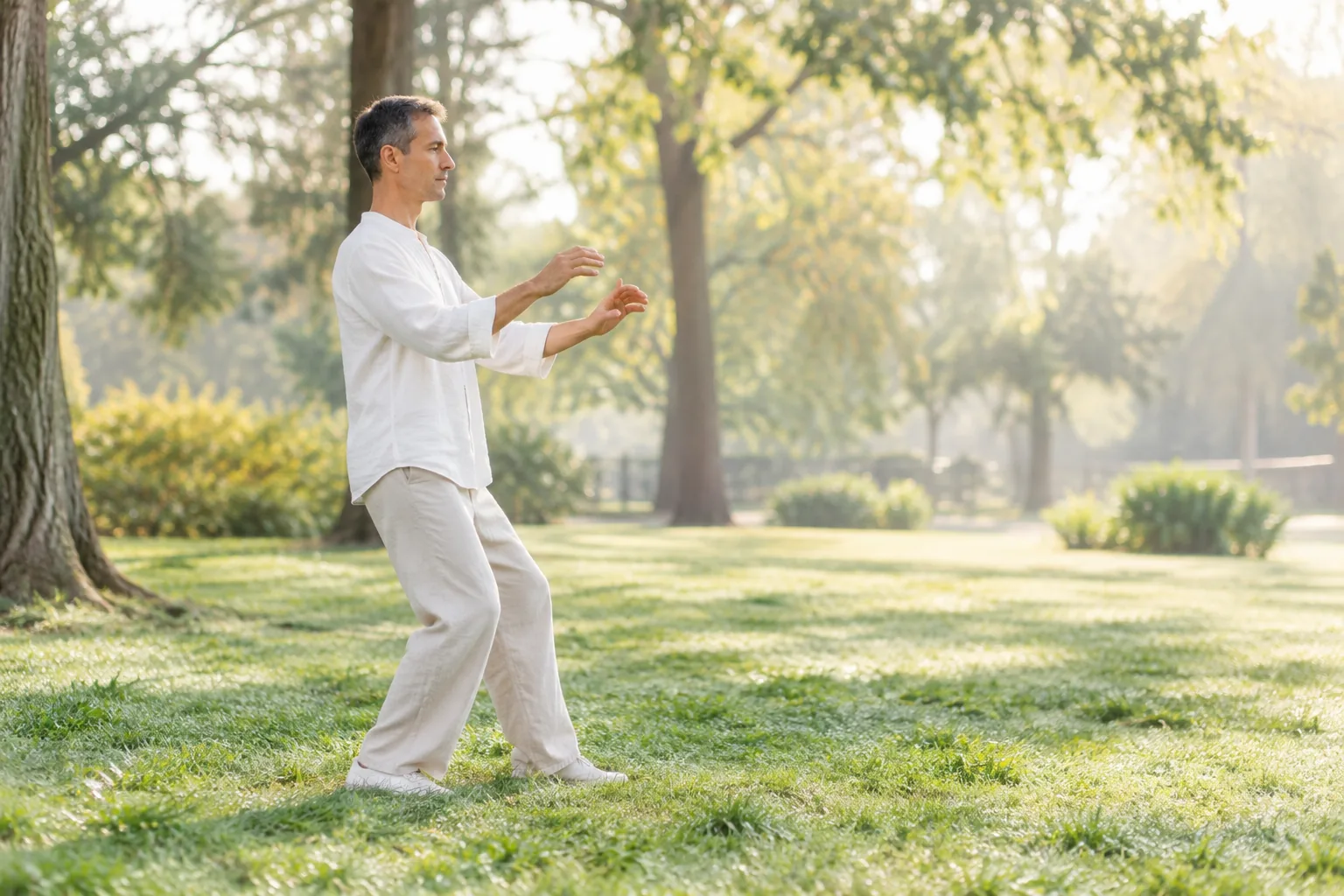
TMJ physical therapy is treatment from a physical therapist for temporomandibular disorders (TMDs), a group of more than 30 conditions that cause pain and dysfunction in the jaw joint and the muscles that move the jaw. Its goal, according to the National Institute of Dental and Craniofacial Research (NIDCR), is to maintain, improve or bring back movement and physical function. A program can combine jaw exercises and stretches, manual therapy (the therapist uses their hands to stretch the muscles and soft tissues around the joint) and posture exercises. For jaw pain lasting 3 months or more, a 2023 international guideline strongly recommends several of these treatments, though the benefits seen in trials are mostly short term.
- Physical therapy for TMD uses guided jaw exercises, hands-on manual therapy and posture training to ease jaw pain and help the jaw move better.
- For jaw pain lasting 3 months or more, a 2023 guideline strongly recommends therapist-assisted jaw mobilization, manual trigger point therapy and supervised jaw and posture exercises.
- Benefits seen in trials are mostly short term, and exercises should come from a clinician who has examined your jaw rather than a generic online routine.
Is there physical therapy for TMJ?
Yes. When jaw discomfort first starts, a doctor or dentist may suggest soft foods, heat or cold with gentle jaw stretches, an over-the-counter pain reliever taken as the label directs, and cutting down on habits such as clenching, NIDCR explains. If those steps do not help, or a specific type of TMD is found, physical therapy is one of the nonsurgical treatments that may be recommended. MedlinePlus lists it among the next options as well.
Those first steps may be all that is needed: many jaw joint and muscle problems are temporary, and TMD symptoms go away without treatment for many people. Our guide to TMJ disorder covers the symptoms, causes and simple care in more detail.
What does physical therapy for TMJ look like?
A program is built from a few kinds of treatment, and the 2023 guideline names each of these among the options it recommends:
- Supervised jaw exercises and stretching, done with the therapist and repeated at home.
- Manual therapy, the hands-on part. The therapist stretches the soft tissues and muscles around the joint, may move the jaw for you (therapist-assisted mobilization) and may treat the muscles by hand (manual trigger point therapy).
- Supervised posture exercises.
- Usual care: education, reassurance and exercises to do at home.
The mix depends on what your assessment finds. The same symptom can have different explanations, so a program that helped someone else may not suit your diagnosis.
Does physical therapy help TMJ?
For long-lasting TMD pain, the research favors treatments that encourage movement and help people cope. A 2023 review pooled 153 randomized trials with 8,713 participants and found three treatments probably most effective for pain relief: cognitive behavioral therapy combined with biofeedback or relaxation, therapist-assisted jaw mobilization and manual trigger point therapy.
Compared with a placebo or sham treatment, the share of people whose pain dropped by a meaningful amount (at least 1 point on a 10-point scale) was 36 percentage points higher with jaw mobilization and 32 points higher with trigger point therapy. Supervised posture exercise, supervised jaw exercise and stretching, and usual care such as home exercises and reassurance were among five treatments that did less well but still beat placebo, by 23 to 30 points. Supervised jaw exercise and stretching probably improved physical functioning as well.
Those findings led the guideline panel to make strong recommendations for therapist-assisted mobilization, manual trigger point therapy, supervised postural exercise and supervised jaw exercise and stretching. The recommendations apply to pain lasting 3 months or more, not to short-term jaw pain.
Other reviews are more cautious. A 2016 review of 48 trials found no high-quality evidence for exercise and manual therapy, although manual therapy alone or combined with exercise showed promising effects. A 2026 review of 51 trials found short-term benefits, mainly less pain and better function, and called for larger studies with more consistent methods.
Who is TMJ physical therapy for?
Trials have looked at different kinds of jaw problems, and their results differ, which is one reason the diagnosis comes first. Muscle-related pain has some encouraging results. In a trial of 60 people whose TMD came mainly from the muscles, those who added posture training to self-management instructions reported an average 41.9% drop in TMD symptoms after 4 weeks, against 8.1% with the instructions alone. The authors add that people who hold their heads farther forward relative to their shoulders have a high probability of improving.
Mouth opening is another outcome the trials measure. In a 2023 review of 16 trials with 812 participants, exercise therapy reduced pain and increased maximum mouth opening.
A jaw that locks closed responded differently. In a 2012 trial of 49 people with closed lock, in which the disc inside the jaw joint has slipped forward and no longer returns to its normal position as the jaw moves, pain and jaw function improved over a year in both groups. The 9 physical therapy sessions added no significant benefit to the repeated advice about jaw and mouth habits that everyone received.
Our TMJ and bruxism evaluation reviews your history, jaw movement, muscles, teeth and wear patterns, and appropriate physical therapy is one of the options considered when symptoms and function call for it.
What other treatments are used alongside physical therapy?
Physical therapy can be one part of a wider plan. Your dentist, a physical therapist, an orofacial pain clinician or an oral surgeon may each be involved when the findings or lasting symptoms call for their expertise, and a referral is not automatically a recommendation for surgery.
Coping skills count too. NIDCR notes that behavioral approaches such as cognitive behavioral therapy and biofeedback, usually offered by a psychologist, can help manage TMDs, and the 2023 guideline strongly recommends cognitive behavioral therapy alongside the physical treatments.
A custom night guard answers a different question: it is considered when there is a reason to protect the teeth from grinding. Our page on custom night guards explains who they suit.
Can you do TMJ physical therapy at home?
Partly. Home exercises are part of the usual care the 2023 guideline recommends, and a 2024 review of 23 trials with 1,402 participants found no clinically important difference between home-based programs and splints for pain or mouth opening, although that evidence was very low in certainty. Adding manual therapy from a therapist worked better than home exercise alone over the short term, on low-certainty evidence.
The exercises should still come from someone who has examined your jaw. Clinician-directed exercises or physical therapy are different from a generic resistance workout or a cosmetic jaw trainer, so ask for instructions tailored to your symptoms and do not force painful movements. Our article on jaw exercisers and jawline gum explains why a consumer gadget is not interchangeable with a prescribed plan.
Tell your therapist or dentist if pain is increasing, opening or chewing becomes more difficult, or your bite changes.
Should you change your bite before trying physical therapy?
No. Research does not support the belief that a bad bite or braces cause TMDs, and NIDCR finds insufficient evidence that treatments that change the bite, including orthodontic treatment, work for TMD; in some cases they make the problem worse. NIDCR notes that experts recommend conservative treatments and avoiding treatments that permanently change the jaw joints, teeth or bite.
Braces or aligners may be appropriate for a separate alignment or bite problem, but orthodontic treatment is not an established cure for TMD. Our article on whether braces can fix TMJ pain explains how to keep the two questions apart. If you already wear braces or aligners, tell your therapist, and let your orthodontist know about any jaw exercises you have been given.
Frequently asked questions
How long does TMJ physical therapy take?
Programs vary in length. In a 2012 trial the therapy group had 9 sessions over 6 weeks, and a 2025 trial treated people with chronic TMD for 5 weeks. No reliable timeline applies to everyone, so agree with your clinician on a review point and on the changes you are watching for, such as pain, opening and chewing comfort.
Is TMJ physical therapy covered by insurance?
It depends on your plan, so check before you start. Ask the physical therapist’s office to confirm your benefits, whether you need a referral and how many visits are covered. If you have Medicare, MedlinePlus explains that Part B helps pay for medical services that Part A does not cover, though Medicare does not cover all medical expenses. Orthodontic benefits do not establish that jaw care is covered.
Does TMJ massage help?
It may help. The NHS lists massaging the painful jaw muscles among the things you can do yourself to ease TMD symptoms. The research on hands-on treatment is limited: in a 2020 review of five trials of manual therapy for muscle pain from TMD, it relieved pain in every study but was not better than counseling or botulinum toxin injections, and the authors called the data inconclusive. Go gently, and do not keep testing a painful movement.
Can a chiropractor help with TMJ?
Some chiropractors treat TMD with manual therapy, and the evidence is limited. A 2026 review of 18 trials of manual therapy given by chiropractors, physiotherapists, osteopaths and dental specialists found short-term reductions in pain and better mouth opening, but with limited certainty and no firm conclusions about long-term effects or whether any one approach is superior. The 2023 guideline gives manipulation a conditional recommendation in favor for chronic TMD pain.
More notes